
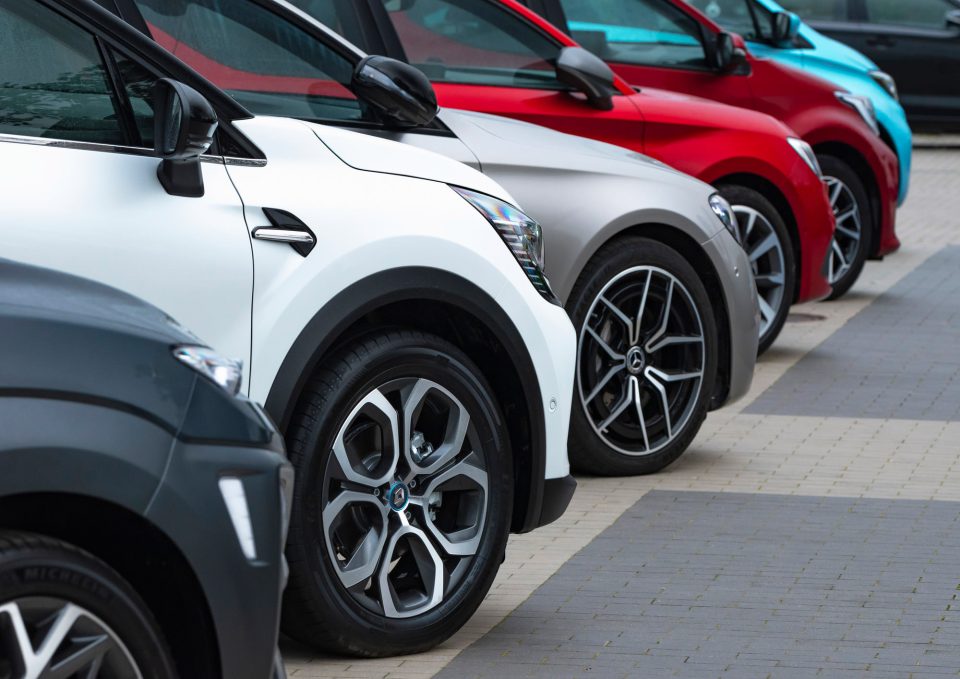
Trading in a vehicle is the easiest way to upgrade to a newer model while purchasing a low-cost car. Buyers exploring used cars consider trade-ins to simplify the buying process. Drivers apply their current vehicle’s value to another car, instead of handling private sales or meeting buyers.
Learn more about the dealership to understand how trade-ins work. It helps them maximize value. Buyers can avoid common mistakes during negotiations.
Understanding how trade-ins work
A trade-in occurs when you sell your current vehicle to a dealership to purchase another vehicle from them. The dealer evaluates your car, such as:
- mileage
- market demand
- history
The evaluation is performed to determine its value. That value is then deducted from the price of the car you want to buy.
Dealerships handle the trade-in process conveniently:
- paperwork
- title transfer
- inspections
Trade-ins save time and reduce stress, while private selling can yield a higher price.
Preparing a used car before trading it in
Preparation gives you the best possible trade-in value. Clean your vehicle inside and out. A well-maintained appearance of a used car shows it is properly cared for. It can influence appraisers.
It is vital to handle minor repairs such as:
- replace burned-out bulbs
- topping off fluids
- fixing small cosmetic issues
Gather maintenance records to prove consistent servicing. Dealerships pay more for vehicles with documented service history. It helps them reduce their resale risk.
Use online valuation tools. The tools help you check the estimated market value of your car. You will have a stronger negotiating power by knowing the approximate worth of a car.
Good timing to trade-in
Timing can impact the trade-in offers. The demand for certain vehicle types changes with seasons. SUVs may hold stronger value before winter. The fuel-efficient cars are more attractive, especially during fuel prices rise.
Trade in before major maintenance milestones, such as:
- transmission servicing
- tire replacement
Doing major maintenance avoids spending money on repairs. You would not fully recover through resale value.
Trade-in offer negotiation
Negotiation is an essential step many drivers overlook. You can request the dealership to separate the value of the following:
- trade-in value
- purchase price
The transparency prevents confusion. It ensures you understand the true value of each transaction component.
Get trade-in quotes from multiple dealerships. Competition of quotes will encourage better offers, giving you leverage when negotiating.
Stay realistic to your negotiation. Dealers should resell vehicles at a profit. Thus, trade-in offers are lower than private sale prices.
Finalizing the trade-in process
Review all paperwork once you agree on value, before signing. Confirm the trade-in amount is clearly listed. It should apply correctly to your purchase. Here are the things to do before the trade-in process:
- remove personal belongings
- reset vehicle settings
- cancel any active toll
- cancel parking accounts linked
Conclusion
Trading in a used car is a smooth, efficient experience when you prepare properly. You must understand the process. With the right strategy, Drivers can save time and reduce hassle with the right trade-in strategy. You can move into their next vehicle with confidence while making smart automotive financial decisions.
