
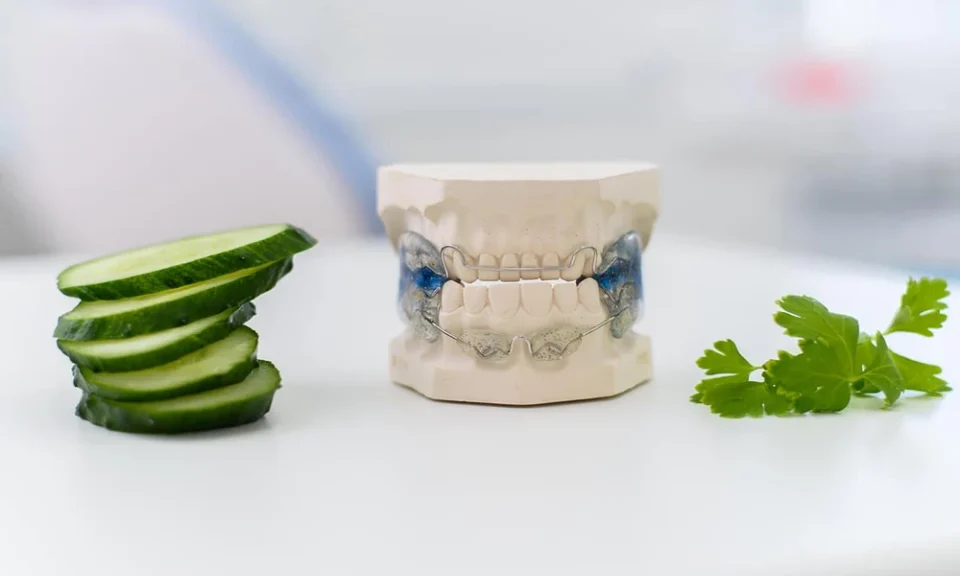
You may have noticed your child’s teeth coming in crooked, or maybe their bite looks off when they close their mouth. Sometimes it starts with mouth breathing, crowded baby teeth, or a front tooth that seems trapped behind the others. It is easy to wonder if this is just a phase or something that needs attention now. If you are looking for orthodontics and braces in Festus, MO, an early evaluation can help you understand what is happening and whether treatment is needed.
That uncertainty wears on parents. You do not want to overreact, but you also do not want to miss the window when early treatment could make things easier. Interceptive orthodontics, often called early orthodontic treatment or Phase 1 care, focuses on guiding jaw growth and tooth development while a child is still growing. According to MedlinePlus guidance on orthodontics, orthodontic treatment can help correct problems with the teeth and jaw that affect bite, function, and appearance.
If your child has persistent crowding, bite problems, delayed or abnormal tooth eruption, or habits that affect jaw development, an orthodontist may recommend early evaluation rather than waiting for all adult teeth to come in. That does not mean every child needs treatment right away. It means some signs deserve a closer look before the problem gets harder to fix.
Crowding and blocked teeth can signal a need for early orthodontic treatment
One of the clearest signs is crowding that already looks severe in the baby teeth or early mixed dentition. If there is not enough room for adult teeth, they may erupt twisted, overlap badly, or stay stuck under the gums. You might see one tooth coming in behind another, or a permanent tooth appearing while a baby tooth still has not fallen out.
This is where early orthodontic treatment may help. In some cases, an orthodontist can create space, guide eruption, or reduce the chance of more serious crowding later. When spacing issues are ignored, treatment can become longer and more complicated as more permanent teeth erupt into poor positions.
Delayed eruption can also matter. Some variation is normal, but if teeth are coming in far out of sequence or seem blocked, it is worth having that checked. MedlinePlus explains normal tooth eruption patterns, which can help parents understand what is typical and what is not.
Bite problems often show up long before all adult teeth arrive
A child does not need a full set of permanent teeth to have a bite issue. An underbite, crossbite, open bite, or deep bite can often be seen early. If the upper and lower teeth do not meet properly, the jaw may shift to one side when the child bites down. That shift can affect chewing, speech, and even facial growth over time.
A crossbite is one problem that often benefits from early attention. If a top tooth sits inside the lower teeth instead of outside them, the jaw may adapt in an uneven way. You may notice your child closes their mouth and the chin slides sideways. That kind of pattern is not just cosmetic. It can place uneven pressure on teeth and joints.
Children’s Hospital of Philadelphia notes that Phase 1 orthodontics may be used to address developing bite problems while the jaw is still growing. That timing can matter because growth gives the orthodontist options that are not available later.
Mouth breathing and oral habits can affect jaw growth
Some children have habits or breathing patterns that quietly shape the mouth over time. Thumb sucking, prolonged pacifier use, tongue thrust, and chronic mouth breathing can all influence how the teeth and jaws develop. You may have been told they will grow out of it, and sometimes they do. Sometimes the habit leaves a narrow upper jaw or an open bite behind.
Mouth breathing is easy to miss because it becomes normal in day to day life. A child who sleeps with their mouth open, snores lightly, wakes with dry lips, or always seems congested may be developing oral posture that affects the bite. If the tongue rests low in the mouth instead of against the palate, the upper jaw may not widen as it should.
An orthodontist can identify whether these patterns are already changing the bite and whether observation, habit correction, or treatment makes sense.
Jaw imbalance and facial asymmetry deserve a closer look
Some signs are less about crooked teeth and more about how the jaws are growing. If the lower jaw looks too far forward or too far back, or if the face appears uneven when your child smiles or bites, that can point to a developing skeletal issue. Parents often notice this in photos before they see it in person every day.
You might also hear clicking, see strain when chewing, or notice your child avoids certain foods because biting feels awkward. A developing jaw mismatch can become more pronounced with growth. Early care does not always prevent future braces, but it can reduce the severity of the problem and improve function.
Interceptive orthodontics compared with watchful waiting
| Situation | Watchful Waiting | Interceptive Orthodontics |
|---|---|---|
| Mild spacing with normal bite | Often appropriate with regular monitoring | Usually not needed right away |
| Severe crowding or blocked eruption | Can allow the problem to worsen as adult teeth come in | May create space and guide eruption |
| Crossbite or jaw shift | May lead to uneven wear and growth patterns | Can address bite issues while the jaw is still developing |
| Thumb sucking, tongue thrust, mouth breathing effects | Habit may continue to shape the bite | May limit long term changes to teeth and jaw development |
Three steps you can take right away
Track the signs you are seeing. Take a few clear photos of your child’s smile, profile, and bite. Write down anything you notice, such as mouth breathing, delayed tooth loss, chewing problems, or teeth coming in behind other teeth. Patterns are easier to assess when you can show them clearly.
Do not assume they will outgrow every issue. Some things do improve with time, but bite shifts, blocked teeth, and jaw imbalances often need professional monitoring. Waiting without evaluation can close off simpler treatment options.
Schedule an orthodontic evaluation. An orthodontist can tell you whether the issue needs treatment now, later, or just periodic follow up. That clarity alone can take a lot of pressure off your shoulders.
If you have been seeing changes in your child’s bite and wondering whether they matter, you are not overthinking it. Signs like crowding, crossbites, jaw imbalance, and harmful oral habits can point to a real need for phase 1 orthodontic care. The next step is simple. Reach out to an orthodontist and get a clear opinion on what is happening now and what timing makes the most sense.
