
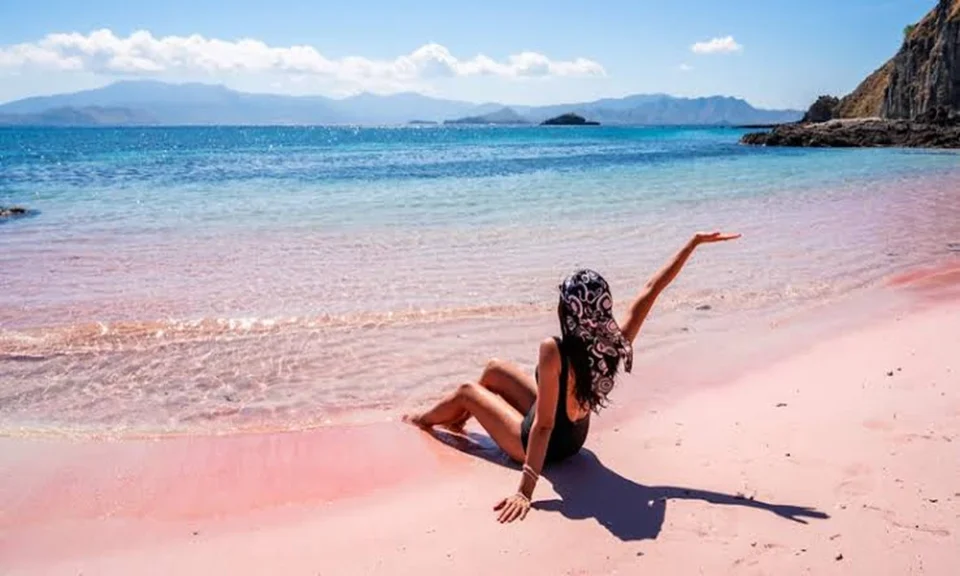
When most people picture a Caribbean beach, they imagine powdery white sand and turquoise water. That image is accurate for many islands, but it is only part of the story. Across the region, beaches come in a surprising range of colors, from soft pink to dramatic volcanic black. Each one tells a story about the island’s geology and marine life.
Knowing what makes each beach type unique can help travelers choose destinations that match their interests. On a Caribbean cruise or island-hopping trip, visiting different kinds of beaches adds variety and a little natural science to every stop. Here is a guide to the region’s most distinctive shores.
Why Sand Comes in Different Colors
The color of sand depends on what it is made of. Coral reefs, shells, volcanic rock, and tiny marine organisms all contribute different minerals and hues. The NOAA Ocean Service explains that some tropical sand is even produced by parrotfish, which grind up coral as they feed.
White Sand Beaches
White sand is common on low-lying islands surrounded by coral reefs. It is typically made from broken-down coral and shells, which keeps it cool and soft underfoot.
- Seven Mile Beach, Grand Cayman: A long, calm stretch known for clear water.
- Grace Bay, Turks and Caicos: Famous for soft sand and shallow turquoise water.
- Eagle Beach, Aruba: Wide and spacious, with distinctive divi-divi trees nearby.
Black Sand Beaches
Black sand forms from volcanic rock that has been broken down by waves over time. These beaches are found on volcanic islands in the Eastern Caribbean, where mountains and rainforests often rise right behind the shore.
- St. Lucia: Several beaches near the island’s volcanic southwest feature darker sand.
- Dominica: Rugged coastlines with black sand and dramatic scenery.
- Montserrat and St. Vincent: Islands with striking volcanic beaches.
Black sand absorbs heat, so it can become very hot in the afternoon sun.
Pink Sand Beaches
Pink sand gets its color from foraminifera, tiny marine organisms with reddish shells that mix with white coral sand. The effect is a soft blush that is most visible at the water’s edge.
- Harbour Island, The Bahamas: Known for its long pink sand beach.
- Other Bahamian islands: Smaller pockets of pink sand appear in quiet coves.
Golden and Shell Beaches
Some islands offer golden sand or beaches covered in small shells and pebbles. These are often quieter and great for beachcombing.
How to Choose the Right Beach
- For swimming: Look for sheltered bays with calm water.
- For snorkeling: Choose beaches near reefs or rocky outcrops.
- For photography: Pink and black sand beaches offer unique colors and contrast.
- For families: Shallow, gently sloping beaches are ideal for young swimmers.
Protecting Beaches and Reefs
- Do not take sand or shells: Many islands prohibit removing them.
- Use reef-safe sunscreen: It helps protect fragile coral ecosystems.
- Stay off coral: Standing on reefs can damage them permanently.
- Pack out trash: Leave beaches cleaner than you found them.
Common Mistakes to Avoid
- Expecting bright pink: The color is subtle and varies with light and tide.
- Going barefoot on hot black sand: Bring sandals or water shoes.
- Ignoring local conditions: Some beaches have strong currents or limited facilities.
More Color in Every Trip
Exploring beaches of different colors turns a simple day by the sea into a lesson in island geology and marine life. Whether stretched out on white coral sand or walking along a dark volcanic shore, travelers come away with a richer appreciation of the Caribbean’s natural variety.
