
Key Takeaways
Telehealth services offer a convenient way for patients to engage with medical professionals through audio and video consultations from the comfort of their own homes.
Thanks to encryption protocols, telehealth consultations remain secure, ensuring patient confidentiality much like traditional in-person visits.
This innovative approach effectively addresses numerous conditions, such as respiratory issues, dermatological concerns, and mental health disorders, reducing the necessity for physical consultations.
Moreover, telehealth significantly enhances healthcare access for remote or low-income populations, breaking down barriers and guaranteeing timely medical care.
In addition, virtual consultations frequently prove to be more budget-friendly than traditional visits, enabling patients to save on travel costs and lost wages while alleviating overhead burdens from healthcare facilities.
Newcomers to telehealth can navigate the process easily, from signing up to scheduling appointments, thanks to well-designed systems that simplify access.
High levels of patient satisfaction with telehealth services are reflected in personal testimonials, symbolizing a transition toward virtual care as a viable healthcare model in Lincoln, NE.
What Are Telehealth Services and How Do They Work?
The Mechanics Behind Virtual Consultations
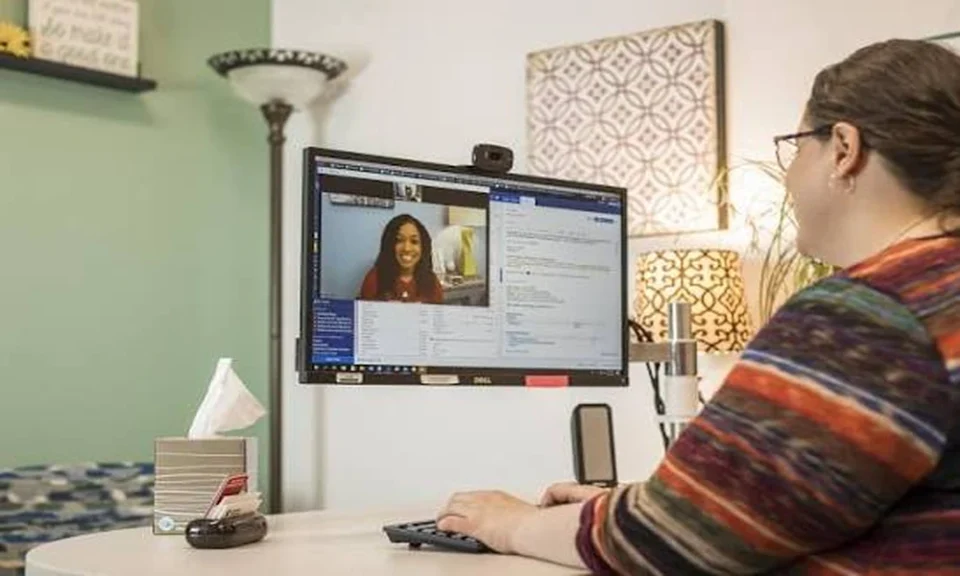
Telehealth services mark a considerable change in healthcare delivery. With just a click, patients can connect with medical professionals right from their homes. It’s not magic; it’s all about technology. Through various platforms, real-time audio and video consultations become accessible to everyone, regardless of their location. It’s about building a bridge over previously daunting distances. A simple phone or smart device transforms into a vital entryway to essential medical care.
On the technical side, telehealth is powered by an intricate array of apps and software that ensure security and quality. Encryption protocols protect patient data, making virtual visits nearly as secure as their traditional counterparts. Typically, an initial assessment is conducted through a questionnaire, gathering information about symptoms and medical history. Based on this, clinicians can advise, prescribe medication, or refer patients for more intensive care if needed. Efficiency? Definitely.
Beyond basic consultations, telehealth extends to follow-up visits, chronic disease management, and mental health services. Regular check-ins without the hassle of travel can greatly enhance patient outcomes. Many patients report higher satisfaction levels due to reduced wait times and the minimization of exposure to contagious settings.
Common Conditions Treated via Telehealth
Telehealth services address a range of conditions, challenging the notion that certain health issues require face-to-face consultations. It’s increasingly common for patients to seek help for:
- Respiratory conditions like asthma and allergies
- Dermatological issues, including rashes and acne
- Mental health concerns, such as anxiety and depression
- Sore throats, coughs, and colds
- Medication management for chronic diseases
This list represents just a portion of what telehealth can treat. As both providers and patients adapt, the array of conditions successfully managed through telehealth services continues to expand.
Benefits of Telehealth for Patients in Lincoln
Improved Access to Healthcare Services
Living in Lincoln offers many benefits, but accessing healthcare isn’t always seamless. Telehealth changes this dynamic. For patients in remote areas or those far from healthcare facilities, receiving timely medical attention now comes without the usual travel hurdles. It’s about removing obstacles. Picture healthcare arriving right at one’s door. A busy mom can fit in a 15-minute consultation during lunch. Meanwhile, a college student can connect during a coffee break between classes.
Moreover, this approach enhances health equity significantly. Individuals from low-income backgrounds or those without reliable transportation can finally access care they might have otherwise overlooked. Bridging the healthcare gap has transformed into a reality through telehealth solutions.
In urgent situations, patients can often receive care within minutes, rather than waiting days for an appointment. What does this mean? It leads to timely interventions that can considerably alter health outcomes.
Cost-Effectiveness and Convenience of Virtual Care
Let’s discuss finances. Many hold the belief that virtual doctor visits might not offer savings. This assumption is often incorrect, as telehealth frequently costs less than traditional consultations, particularly when factoring in travel expenses and lost wages from time off work. For instance, patients can avoid co-pays generally linked to in-person appointments. Maximizing financial efficiency while getting the necessary care makes healthcare more accessible.
From a healthcare facility perspective, the lower overhead associated with virtual visits can, in theory, result in reduced costs for patients. The convenience factor is crucial, too. Patients can seamlessly integrate healthcare into their hectic lives without needing to rearrange commitments for an office visit. Reduced waiting times also apply-both in-office and online-though virtual appointments can clear the schedule in a truly impressive manner.
“The shift to telehealth has changed our approach to routine care, allowing us to prioritize both efficiency and patient satisfaction.”
Working through the Telehealth Experience: What to Expect
Signing Up for Telehealth: Step-by-Step Process
For individuals unfamiliar with telehealth, signing up might appear overwhelming at first. However, the process has been simplified to ensure ease of use. Here’s a typical sequence of steps:
- Choose a Platform: Different clinics adopt varying telehealth systems. It’s important for patients to select one that clearly outlines what to expect.
- Create an Account: Most platforms require basic personal information and insurance details for setup.
- Fill Out Pre-Consultation Forms: A medical history and symptom questionnaire is often requested to prepare the clinician.
- Schedule an Appointment: Booking usually involves picking a convenient time for the patient, often through an online calendar.
- Access Link: A secure link will be sent, allowing patients to connect on the day of their appointment.
This process, while it may vary slightly by provider, aims to eliminate the hassle associated with accessing healthcare. It paves the way for a broader range of individuals to utilize telehealth services, ensuring that everyone is equipped to manage their health needs.
Consultation Preparation: Tips for a Smooth Experience
Preparing for a telehealth consultation shouldn’t feel like a scramble at the last minute. Here are some practical suggestions for a frictionless experience:
- Test Your Technology: Ensure that the device’s camera and microphone function correctly prior to the appointment.
- Find a Quiet Space: A distraction-free area can help maintain confidentiality and focus throughout the discussion.
- Prepare Questions: Writing down concerns in advance maximizes the time spent with the healthcare professional.
- Keep Medication Lists Handy: Having current medication information helps clinicians make informed decisions.
- Be Ready for a Follow-Up: Some patients may require multiple sessions, so being prepared aids in planning.
Engaging in thoughtful preparation can boost confidence and significantly enhance the quality of the consultation. Being adequately prepared enables better handling of health scenarios.
Real-World Examples of Telehealth Success Stories
Case Studies from the Urgent Care Clinic of Lincoln
The Urgent Care Clinic of Lincoln showcases the positive impacts of telehealth through compelling success stories. One notable example involves a patient managing chronic anxiety who found attending in-person sessions difficult due to mobility challenges. Telehealth provided a solution, allowing them to engage in weekly consultations from home, leading to meaningful improvements in their mental health.
Another case featured a young family that utilized telehealth for their children’s pediatric needs. They recounted how virtual consultations with a pediatrician transformed their experience with accessing care. Instead of grappling with the stress of being in a waiting room filled with unwell children, they could quickly connect over fevers or coughs. Parents frequently praise this powerful experience, as it enables them to promptly address issues without added stress.
Personal Testimonials from Satisfied Patients
It’s important not to rely solely on statistics, as patient voices offer valuable insights. Many individuals have shared how telehealth has evolved into a fundamental component of their healthcare journey. One patient expressed:
“I never believed virtual visits would feel as personal as in-person ones. My doctor listens, and it feels just as genuine. Telehealth has truly changed my life.”
This feeling reflects a larger shift in perspective. Patient satisfaction ratings have risen significantly, and many individuals feel more at ease discussing sensitive topics in a comfortable environment. These testimonials support the notion that telehealth in Lincoln, NE, represents more than just a trend; it’s a sustainable model for future healthcare access.
Ultimately, telehealth in Lincoln NE services have the potential to reshape healthcare delivery in contemporary society. By eliminating barriers, enhancing access, and displaying tangible benefits, telehealth emerges not just as another service but as an essential lifeline in a swiftly evolving world. A bright future lies ahead as both patients and providers increasingly embrace this transformative approach to healthcare.
FAQ
What types of technology are typically used for telehealth consultations?
Telehealth consultations utilize video conferencing platforms that prioritize security and privacy. Devices like smartphones, tablets, and computers equipped with cameras and microphones facilitate these virtual appointments, ensuring effective communication between patients and healthcare providers.
Can telehealth be used for preventive care and wellness checks?
Absolutely. Patients can access preventive care through telehealth, encompassing routine check-ups, screenings, and educational sessions on sustaining a healthy lifestyle. Many practitioners encourage these consultations to proactively manage health and prevent potential problems before they arise.
How do insurance plans handle telehealth services?
Insurance plans often cover telehealth services, although specifics can vary widely. Typically, patients enjoy lower co-pays and may access some services without added costs. It’s advisable to check with individual insurance providers to clarify coverage and any requirements.
Are there age restrictions for patients using telehealth services?
Telehealth services are available for all ages, from children to seniors. Parents often accompany minors during consultations, while elderly patients frequently find telehealth provides more feasible access to care, which might otherwise be challenging. The goal is to make healthcare adaptable for everyone.
What should patients do if they experience technical issues during a consultation?
Technical issues can happen, yet patients are encouraged to contact their healthcare provider’s support team. Many platforms offer help desks for troubleshooting. Also, having an alternative way to connect-such as a phone number-can be invaluable.
How does telehealth maintain patient confidentiality and data security?
Telehealth platforms enforce strict security measures, incorporating end-to-end encryption to ensure patient data remains confidential. Regular audits and adherence to health privacy regulations protect patient information, treating it with the same seriousness as traditional in-person visits.
What feedback do healthcare providers have regarding telehealth effectiveness?
Healthcare providers often note high satisfaction rates among patients, attributing these results to the convenience and accessibility of telehealth. Many find that it fosters improved patient engagement and follow-up, thus enhancing care quality without the usual drawbacks of office visits.
Are there medical conditions that are not suitable for telehealth consultations?
While many conditions can be addressed via telehealth, certain emergencies or complex examinations still necessitate in-person evaluations. Conditions requiring physical examinations, diagnostic tests, or urgent interventions typically cannot be managed remotely. However, initial assessments or follow-ups are often feasible.
