
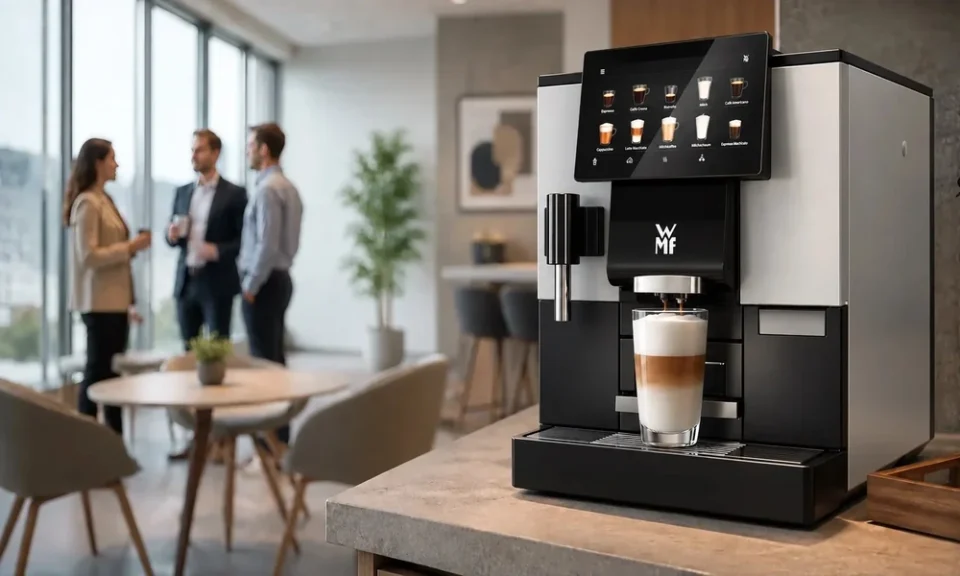
A coffee machine in a busy workplace has a harder job than most people realise. It may need to serve a rush of fifty people before the morning meeting, keep up through the afternoon slump and still be clean enough to use the next day. Choosing an automatic coffee machine rental plan means looking past the brochure photographs to the features that decide whether the machine copes with real office demand: capacity, drink range, ease of use, milk handling and cleaning. The right combination keeps queues short and staff happy, while the wrong one becomes an expensive source of complaints.
What Makes a Machine Automatic
Automatic coffee machines, often called bean-to-cup machines, grind fresh beans, tamp, brew and in many cases froth milk at the touch of a button. Unlike traditional espresso machines, they do not need a trained barista, which makes them practical for offices where anyone might make a drink. Fully automatic models handle every step, while semi-automatic machines leave some tasks, such as frothing milk, to the user. For most busy workplaces, fully automatic machines offer the best balance of quality and convenience.
Capacity and Cups per Day
The most important specification for a busy workplace is daily capacity. Machines are typically rated for a recommended number of cups per day, and running them consistently above that level shortens their life and increases breakdowns. Consider peak times as well as daily totals. A machine that handles two hundred cups a day may still struggle if eighty people want coffee within the same half hour. Larger offices sometimes install two machines to spread demand. Providers can usually estimate demand from headcount, but a short count of drinks made over one week gives a far more reliable figure.
Drink Range and Customisation
Different teams want different drinks. Automatic machines can offer espresso, long black, cappuccino, latte, flat white, hot chocolate and hot water, often with adjustable strength, size and temperature. Popular features include:
- Programmable recipes for the most common drinks
- Adjustable strength and cup size
- Separate hot water outlet for tea
- Options for chocolate or other powders
- User profiles or saved preferences on advanced models
A wider range helps keep staff from buying coffee elsewhere, which is often the main reason businesses invest in a better machine.
Milk Systems
Milk-based drinks are the most popular choice in many offices, so the milk system matters. Some machines use fresh milk with a refrigerated milk unit, producing better texture and taste, while others use milk powder, which is easier to store and less demanding to clean. Fresh milk systems need daily cleaning to stay hygienic. When considering an automatic coffee machine rental agreement, ask how the milk system is cleaned, how long it takes and whether automatic rinsing is built in.
Ease of Use
In a shared workplace, the machine must be simple enough for anyone to use without instructions. Large touchscreens with clear drink icons, one-touch selection and visible status messages reduce confusion and mistakes. Machines that clearly signal when beans, water or milk need refilling help prevent interruptions. Accessibility also matters, including screen height and readable text.
Water Supply Options
Machines can draw water from a built-in tank or connect directly to the water supply. Tank-fed machines are easier to install but need regular refilling, which becomes a chore in busy offices. Plumbed-in machines save time and reduce interruptions, but require a nearby water connection and drainage. Check what your pantry can support before choosing a model.
Cleaning and Hygiene Features
Automatic cleaning programmes save time and help maintain hygiene. Look for machines with automatic rinsing at start-up and shutdown, guided cleaning cycles and reminders when cleaning is due. Removable parts that can be rinsed easily make daily cleaning quicker. Hygiene features are particularly important in workplaces with many users and fresh milk systems.
Service and Support Included
Rental agreements usually include installation, training and scheduled maintenance. Check how often technicians visit, what response time is promised for breakdowns and whether parts are included. Key questions include:
- How quickly will a technician respond to a fault?
- Is a replacement machine available during longer repairs?
- Are water filters and descaling included?
- What training is provided for staff?
These details often matter more than small differences in features.
Space and Placement
Measure the pantry space before choosing a machine, allowing room for refilling, cleaning and queuing. Consider power supply requirements, ventilation and proximity to water and drainage. Placing the machine where people can queue without blocking walkways helps during busy periods. A spot near natural gathering areas also encourages people to stay in the office for breaks rather than heading out.
Comparing Rental Options
Compare rental offers on total monthly cost, including consumables, service and any minimum contract period. Look at the machine’s rated capacity against your expected usage, and ask for a trial where possible. Reviewing a comparison of renting versus buying an office coffee machine can help clarify which arrangement suits your business.
A Practical Test
Ask a provider to demonstrate the machine making five different drinks in a row. The speed, consistency and ease of use you see in those few minutes reveal more than any specification sheet.
