
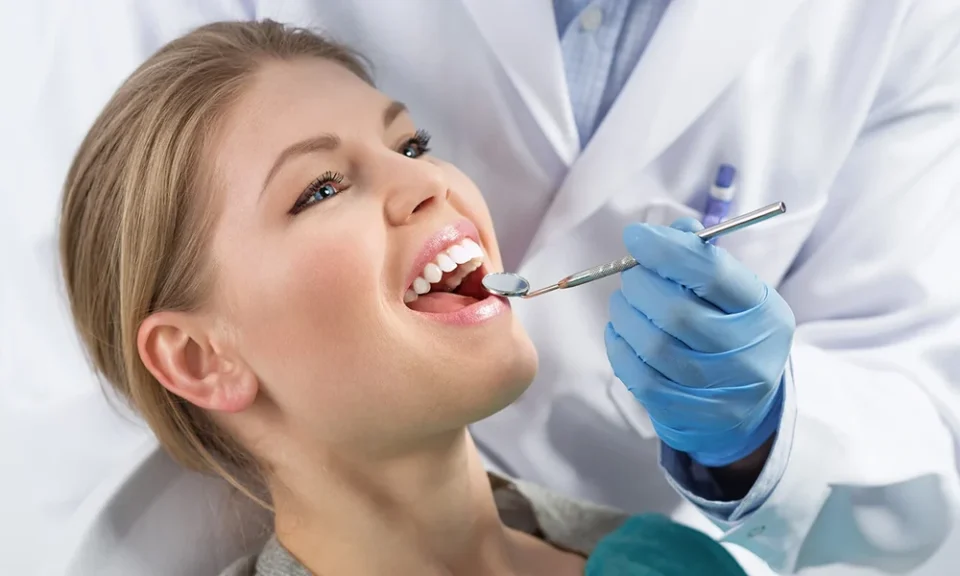
You can remind a teen to brush, buy the right toothpaste, and keep floss in every bathroom, then still watch them rush through the routine or skip it altogether. That is a common fight in a lot of homes, and many families turn to Oshawa dental care for extra support. Teens are busy, tired, distracted, and often more focused on school, sports, friends, and screens than on plaque buildup or gum irritation. By the time a parent notices bad breath, bleeding gums, or a complaint about tooth sensitivity, the habit problem has usually been building for a while.
A good family dentist helps in ways that go beyond cleaning teeth. They often spot patterns early, explain risks in a way teens can actually hear, and turn oral care from a daily argument into a routine that feels more manageable. That matters because adolescence is a stretch of years when cavities, orthodontic issues, sports injuries, sugary drinks, and inconsistent hygiene tend to collide. The goal is not perfection. The goal is steady habits that protect their teeth now and make adult oral health easier later.
Family dental care helps teens connect daily choices to real consequences
Teens usually know they should brush and floss. Knowing is not the same as caring. If their teeth do not hurt, oral care can feel optional. That gap is where family dental care often makes the biggest difference. During routine visits, a dentist can show a teen where plaque keeps collecting, point out early gum inflammation, and explain how energy drinks, frequent snacking, or vaping can affect the mouth. The message lands differently when it is tied to what they can see and feel.
You might already know this pattern. Your teen says they brushed, but the sink is dry and the toothbrush looks untouched. They promise they will floss tomorrow. Then a small cavity turns into a filling, or swollen gums make braces harder to manage. A family dentist can reset that cycle by making the consequences concrete without shaming them. That tone matters. Teens shut down fast when they feel judged.
Reliable guidance also helps parents sort through mixed advice online. The MedlinePlus dental health resource offers clear, trusted information on common oral health issues, which can support the same advice teens hear at the dental office. When the message is consistent at home and in the exam room, habits are more likely to stick.
Family dentists build routines that fit teen schedules and personalities
Teen life is not built for perfect routines. Early school mornings, late practices, part time jobs, and social plans can wreck even the best intentions. A dentist who treats the whole family often understands that better than anyone. Instead of giving generic instructions, they can help shape a routine around what your teen will actually do.
That may mean switching from vague goals like “floss more” to a specific plan such as flossing while shower water warms up, keeping travel size supplies in a sports bag, or using an electric toothbrush with a timer because two full minutes feels longer than most teens expect. Small changes are easier to repeat, and repetition is what turns effort into habit.
This is also where a teen oral health dentist mindset matters, even when the provider is a general family practice. Teens are in a distinct stage. According to the NIDCR guide on adolescent oral health, this age group faces added risks tied to diet, sports, tobacco products, oral piercings, and changing independence. A dentist who speaks directly to those realities can make care feel relevant instead of routine.
Preventive dental visits catch problems before they become expensive and painful
Most parents are not worried about one skipped brushing session. They are worried about what repeated skipping turns into. Preventive care helps lower that risk. Regular exams and cleanings can catch early decay, enamel wear, gum irritation, and bite issues before they grow into bigger treatment plans. That protects your teen’s health, and it often protects your budget too.
There is also the problem of silence. Teens do not always mention mouth pain right away. They may ignore sensitivity, hide embarrassment about bad breath, or assume bleeding gums are normal. A dentist can catch what a teen might not report. The CDC oral health tips for children and adolescents reinforce the basics, including daily brushing with fluoride toothpaste, flossing, healthy eating, and regular dental visits. Those basics work best when someone is checking whether they are actually happening.
| Habit Challenge | At Home Without Support | With Regular Family Dentist Guidance |
|---|---|---|
| Inconsistent brushing | Reminders turn into arguments, technique often stays weak | Technique is corrected in person, progress is checked over time |
| Skipping floss | Feels easy to ignore because the results are not immediate | Early gum inflammation is shown and explained before it worsens |
| Sugary drinks and snacks | Teens may not connect diet to cavities or enamel wear | Specific food and drink choices are tied to visible oral effects |
| Sports and active lifestyles | Mouthguards and injury prevention may be overlooked | Protection is discussed before an accident happens |
| Delayed treatment | Small issues can become pain, missed school, and higher costs | Problems are found early through preventive family dentistry |
Small, steady changes improve teen oral health habits
1. Ask for a habit based plan, not just a lecture.
At the next visit, ask the dentist to help your teen build a routine around their actual day. Morning rush, after school practice, and late nights all matter. A plan that fits real life has a better chance of lasting than a perfect routine that never happens.
2. Let the dentist talk directly to your teen.
Parents carry a lot of the mental load, and teens often tune that out. Give the provider space to explain what they see and why it matters. Hearing about plaque, gum health, or early cavities from a neutral professional can lower resistance and raise buy in.
3. Track one behavior at a time.
Do not try to fix everything in one week. Pick one target such as brushing for two full minutes at night or flossing four days a week. Once that feels normal, add the next step. This works better than a burst of effort followed by nothing.
3 ways family dentists promote healthier oral habits in teens comes down to something simple. They make the risks visible, the routine realistic, and the follow through more consistent. That is what helps teens move from being reminded to being responsible. If your household is tired of the daily push and pull, support from a trusted dentist for teens and families can ease the pressure and help those habits finally take hold.
