
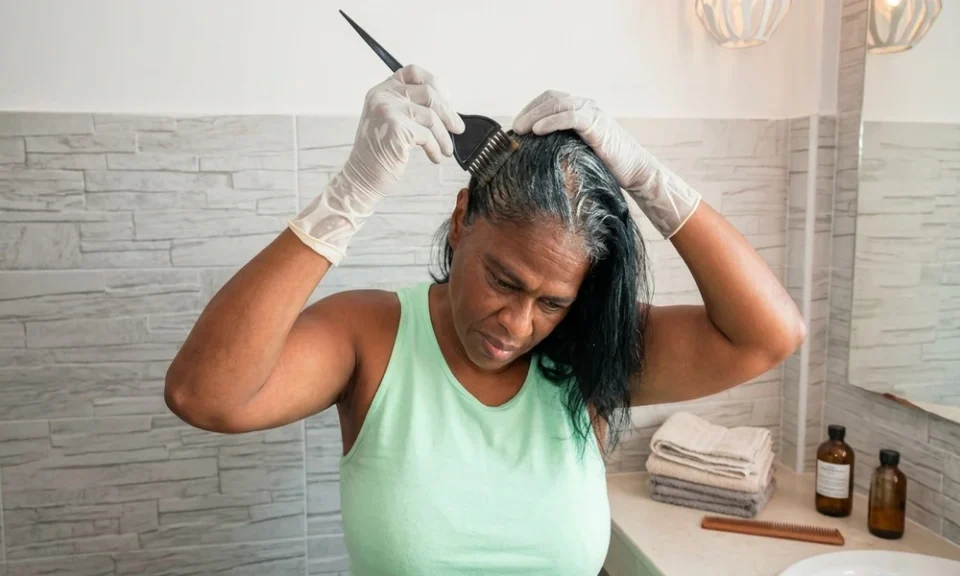
Chemical relaxers can make tightly curled or coily hair easier to wear in a straighter style, but they must be handled with care. These formulas alter the hair’s structure using highly alkaline ingredients, and the same strength that straightens the strands can irritate or injure the scalp when the product is misused, left on too long, applied over broken skin, or layered onto previously processed hair. Understanding how burns happen, recognizing early warning signs, and choosing lower-risk styling habits can help protect both scalp comfort and long-term hair health. This guide offers general information and should not replace personalized advice from a doctor or dermatologist.
Why Chemical Relaxer Burns Happen
Textured and natural hair can be worn beautifully in many forms, includingRelaxed Straight Hair styles. However, the chemicals used to permanently loosen curls can damage skin when they remain in contact with the scalp for too long. Burns may also occur when a relaxer is applied after scratching, vigorous brushing, tight braiding, or another service that has already irritated the skin.
Risk increases when the instructions are ignored, incompatible products are mixed, or the formula is repeatedly pulled through hair that has already been relaxed. Applying treatment from roots to ends during every touch-up can weaken the strands and expose sensitive areas unnecessarily. A stylist should normally focus new product on untreated regrowth and avoid overlapping onto previously processed sections. Product strength, scalp sensitivity, application speed, and the condition of the hair can all influence how safely a service proceeds.
A mild tingling feeling should never be used as permission to “push through” worsening discomfort. Burning, intense stinging, unusual heat, or sudden pain can mean the scalp is being injured. The product should be rinsed out immediately rather than left on until the expected processing time ends. Waiting for visible sores before reacting may allow a minor irritation to become a more serious injury.
Warning Signs That Need Attention
Early symptoms may include redness, tenderness, itching, swelling, or a painful, tight sensation. On deeper skin tones, inflammation may appear dark brown, gray, purple, or noticeably different from the surrounding scalp rather than bright red. More concerning signs include blisters, raw patches, weeping skin, crusting, bleeding, or areas where hair comes away with damaged skin.
If burning begins during treatment, rinse the scalp thoroughly with plenty of cool or lukewarm running water for at least 20 minutes. Do not use ice, butter, oil, petroleum products, or a homemade acid mixture to “neutralize” the relaxer. These methods may trap chemicals against the skin, cause additional irritation, or delay appropriate treatment. Avoid scratching, rubbing, or applying another chemical service while the area heals.
- Seek prompt medical advice for blistering, open wounds, severe or persistent pain, spreading swelling, or signs of infection.
- Get urgent help if the product enters the eyes, causes breathing difficulty, or affects a large area.
- Consult a dermatologist if shedding, bald patches, scalp tenderness, or unusual discoloration continues after the initial injury.
Safer Ways to Maintain a Straightened Look
For textured or natural hair that needs temporary length and fullness,Best Relaxed Hair Clip Ins can provide a straighter finish without applying another chemical treatment. Clip-in pieces can be added when needed and removed at night, allowing the wearer to change the look while giving new growth and sensitive scalp areas a break.
Safer chemical use also begins before the appointment. Avoid scratching the scalp, using harsh clarifying products, or creating tight styles immediately beforehand. Tell the stylist about previous burns, medications, scalp conditions, recent coloring, or other chemical services. A careful strand assessment can help determine whether the hair is strong enough for another treatment. Never hide discomfort simply because a special event or hairstyle deadline is approaching.
Spacing services farther apart can reduce repeated exposure and limit overlap on fragile strands. During the waiting period, use gentle roller sets, low-heat blow-drying with a heat protectant, wraps, wigs, or removable extensions. These options do not make chemical processing risk-free, but they can reduce the pressure to relax every sign of regrowth and make it easier to prioritize scalp recovery.
Healthy Hair Tips to Remember
A relaxer should never be applied to a scalp with cuts, sores, active irritation, or an existing burn. Follow the manufacturer’s directions exactly, use protective gloves, respect the stated timing, and rinse thoroughly. Professional application may help reduce mistakes, but clients should still speak up immediately when discomfort feels stronger than mild, brief tingling.
After a burn, prioritize healing rather than appearance. Pause relaxers, color, tight hairstyles, adhesives, and high heat until the skin has recovered and a healthcare professional has cleared any significant injury. Gentle cleansing and low-tension styling are usually more appropriate than trying to conceal the area with products that pull, sting, or create buildup.
The goal is not to make anyone feel guilty for choosing chemically straightened hair. It is to make each decision with realistic knowledge of the risks. A comfortable scalp, thoughtful timing, skilled application, and flexible nonchemical styling choices can support a polished look without treating pain as a normal part of the process.
