
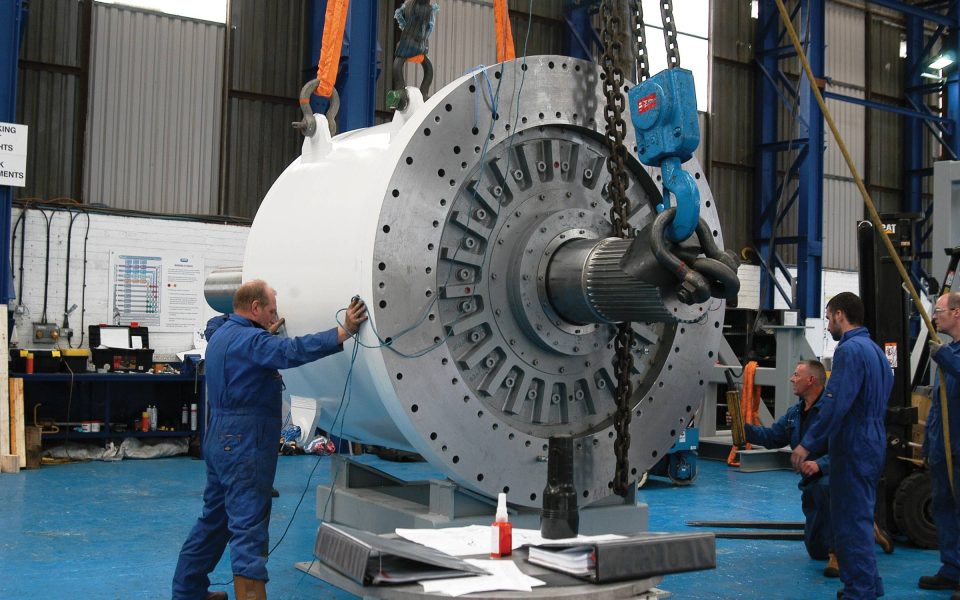
Understanding the Mechanics: How Marine Clutches Function
The Science Behind Marine Clutches
Marine clutches serve a critical role in transmitting power efficiently between the engine and the propeller system of a vessel. Their primary function is to engage and disengage the engine from the propeller shaft, allowing for smooth acceleration and deceleration while maintaining manageable engine speeds. At the core of their operation is the principle of torque transmission. Marine clutches utilize friction materials to create a bond between rotating components, enabling power transfer while simultaneously preventing slippage. The most common types of marine clutches are the friction clutch and the hydraulic clutch. The former relies on friction plates that engage when pressure is applied, making it ideal for vessels that require rapid and precise control of engine engagement. Hydraulic clutches, on the other hand, leverage fluid pressure to engage or disengage the clutch, providing smoother transitions and less wear on components. Understanding these mechanics is paramount for vessel operators as it enables them to select the appropriate clutch type based on the operational demands of their craft and the conditions in which they navigate.
Different Types of Marine Clutches: Which One is Right for You?
Selecting the correct marine clutch for your vessel involves delving into various types, each engineered for specific applications and conditions. Broadly categorized, marine clutches can be divided into mechanical, hydraulic, and electric types. Mechanical clutches are commonly used in smaller, more traditional vessels due to their simplicity and reliability. They employ a direct mechanical connection, providing straightforward engagement and disengagement. Hydraulic clutches are prevalent in larger, more powerful vessels due to their ability to manage higher power levels seamlessly. These systems offer greater flexibility and improved control, which is essential for activities like docking and navigating in tight spaces. Electric clutches, perhaps the most technologically advanced, offer precise control and can be easily integrated with modern vessel management systems, allowing for real-time adjustments based on operational demands. Ultimately, the right choice of marine clutch hinges on several factors, including the size and type of vessel, operational requirements, and the specific nuances of your marine activities. Fleet owners and operators must carefully evaluate these factors to ensure optimal efficiency and safety in their vessels.
Installation Insights: Achieving Optimal Performance
The installation of marine clutches is a critical procedure that directly impacts performance. Improper installation can lead to significant issues, including reduced efficiency, increased wear, and even catastrophic failure. A successful installation not only requires technical knowledge but also attention to detail and adherence to manufacturer specifications. Before installation, it is vital to prepare the workspace adequately. This includes securing the vessel, ensuring the work environment is free from contaminants, and having all necessary tools and equipment readily available. Aligning the clutch correctly with the engine and shaft is crucial; misalignment can lead to abnormal wear and increased maintenance needs over time. Additionally, technicians must follow specific torque specifications when securing bolts and connections to prevent loosening during operation. Furthermore, once installed, testing the clutch’s functionality should be conducted under varying operational conditions. Systematic testing can reveal any immediate issues and allow for adjustments to be made before the vessel ventures out into potentially challenging environments. Regular monitoring and recalibration should also be part of your ongoing maintenance regimen to ensure continued optimal performance from the marine clutch system.
Braking with Precision: The Role of Marine Brakes in Safety
Decoding the Different Marine Brake Systems
Marine brake systems play a pivotal role in maintaining control and safety, particularly in high-speed or heavy-load maneuvers. There are several types of marine brakes, each offering different advantages depending on vessel type and operational requirements. The most widely recognized include disc brakes, drum brakes, and hydraulic brakes. Disc brakes are often favored for their performance and heat dissipation characteristics. They provide reliable stopping power, which is essential for large vessels that require precise control when navigating difficult conditions. Drum brakes, while traditional, are known for their high torque capabilities and durability, making them suitable for vessels operating in harsh environments. However, they may not provide the same heat dissipation benefits as disc brakes and can suffer from brake fade under severe conditions. Hydraulic brakes, leveraging fluid pressure for operation, offer enhanced responsiveness and smoother stopping action. Particularly in modern vessels equipped with electronically controlled systems, hydraulic brakes integrate seamlessly with other operational technologies, enhancing overall vessel safety. Understanding the specifics of each brake type is crucial for vessel operators and maintenance crews, ensuring that the selected system aligns with performance expectations and safety standards.
Importance of Maintenance: Keeping Marine Brakes in Top Shape
Maintaining marine brakes is not merely an optional procedure; it is a vital aspect of ensuring safety on the water. Regular maintenance checks help to identify signs of wear and the potential need for component replacements before issues escalate into serious failures. Brake pads, rotors, and fluid levels should all be meticulously monitored, with checks performed at regular intervals ideally, before every voyage and after any extended use. Operators should also be on the lookout for any visible signs of damage, including glazing on brake pads or leaks in hydraulic systems, which can seriously compromise safety. Environmental factors, such as seawater exposure and salt accumulation, can also hasten the degradation of brake components. Therefore, rinsing systems after use and applying protective coatings can extend the life of the systems significantly. Moreover, it is essential to invest in quality components and use manufacturer-recommended parts for replacements and repairs. The choice of aftermarket parts may bring short-term savings, but they often compromise reliability and safety in the long run. Ultimately, a proactive maintenance regime not only enhances safety but also contributes to operational efficiency and cost savings by extending the life span of marine brake systems.
Innovative Technologies: The Future of Marine Braking Systems
As technology progresses, so too do the systems that govern safety and performance in marine environments. Innovative technologies such as anti-lock braking systems (ABS) and advanced electronic controls are revolutionizing marine brake systems. ABS prevents wheel lock-up during sudden stops, dramatically increasing stability and control, especially in emergency situations. These systems have primarily been seen in the automotive world but are making their mark in marine applications, providing an added layer of safety for vessels navigating unpredictable waters. Additionally, smart braking systems utilizing sensors and real-time data analytics can predict maintenance needs and offer alerts for potential issues, allowing crews to take preventive measures before problems occur. With remote monitoring capabilities, operators can track brake performance from afar, ensuring that everything is in optimal condition without needing to inspect every inch of the system manually. Furthermore, the advent of hybrid and fully electric vessels precipitates a shift in braking technologies, as new materials and methods must be explored to handle different propulsion dynamics. The integration of regenerative braking systems common in automotive and rail industries holds great promise for marine vessels, potentially converting kinetic energy back into stored energy, thus enhancing overall efficiency. Staying ahead of these innovative trends is crucial for shipbuilders, vessel operators, and maintenance crews alike, readying them for the future of sustainable and state-of-the-art marine operations.
Performance Boost: Enhancing Vessel Efficiency with Clutches and Brakes
The Impact of Gear Ratios on Performance
Gear ratios are a fundamental aspect of marine propulsion systems and play an essential role in determining the performance capabilities of a vessel. The right gear ratio can optimize the balance of speed and torque, ensuring that the vessel performs efficiently under varying conditions. Lower gear ratios enable high-torque applications, which are essential when starting heavy loads or navigating through challenging waterways. Conversely, higher gear ratios assist in maximizing speed over open water, thus enhancing overall fuel efficiency. By matching the clutch and brake system characteristics to the gear ratio of the propulsion system, operators can fine-tune their vessels for targeted performance outcomes. For instance, racing vessels often utilize lower ratios for rapid acceleration while larger commercial vessels might use higher gear ratios to maintain cruising speeds that maximize fuel efficiency over longer journeys. Understanding the synergies between these components can significantly enhance operational efficiency and reduce fuel consumption, providing both economic and environmental benefits to vessel operations.
Fine-Tuning Power: Achieving the Perfect Balance
Achieving the perfect balance between power and efficiency requires careful consideration of all vessel components, particularly the clutch and brake systems. The interconnectivity of these systems means that a change to one can affect the others, a delicate balance that needs continuous adjustment based on operational demands. Successful fine-tuning involves not only selecting the right clutches and brakes but also understanding the specifics of engine performance, propeller characteristics, and hydrodynamics. Regular technical assessments can identify optimization points, thus ensuring that each component operates at peak efficiency. This can involve recalibration of the throttle response, adjustment of shift points in relation to engine output, and ensuring that brake responsiveness is calibrated to match operational needs. Crew training and operational protocols are equally vital in balancing vessel performance. Crew members must be adept at recognizing the nuances of engine power, gear engagement, and braking actions to maximize efficiency and safety during operation. A well-prepared crew can draw on their understanding of vessel systems to react appropriately to various marine conditions, thus enhancing overall performance and safety.
Real-World Case Studies: Success Stories of Enhanced Efficiency
Several real-world cases showcase the profound impact that sophisticated clutches and brakes can have on overall vessel performance. For instance, a prominent shipping company once struggled with fuel inefficiencies caused by inadequate clutch systems that resulted in frequent slippage and power loss during transit. By investing in high-quality hydraulic clutches and optimizing their integration with gear systems, they reported a 15% increase in fuel efficiency, translating to substantial cost savings over time. In another instance, a fleet of commercial fishing vessels updated their braking systems by incorporating advanced disc brake technology. This upgrade not only provided better stopping power but also improved the overall response time of the vessels when navigating through busy harbors. The improved efficiency in operation meant that they reduced operational downtime and enhanced safety, leading to fewer accidents and incidents on the water. These case studies underscore the importance of ongoing investment in technology related to marine clutches and brakes. Continuous evolution not just enhances the operational efficiency of individual vessels but can lead to industry-wide advancements in safety, operational protocols, and technology integration.
Safety First: Navigating the Risks Associated with Marine Clutches and Brakes
Identifying Common Failures and Their Consequences
Marine clutches and brakes, while crucial for operation, are subject to a variety of potential failures, each carrying its own set of consequences. Common failures, such as overheating due to excessive friction, can lead to component burnout or failure to engage or disengage properly, which may severely impact a vessel’s ability to maneuver. Understanding these potential pitfalls requires familiarity with the early warning signs of wear, such as unusual noises, vibrations, or decreased responsiveness. Additionally, operational practices can inadvertently contribute to system failures. For instance, engaging the clutch at high RPMs can lead to unnecessary strain on the clutch plates, resulting in premature wear. Similarly, neglecting maintenance schedules can exacerbate wear and lead to sudden failures in critical components. Awareness of these common pitfalls is crucial for vessel operators and maintenance teams, ensuring they can take proactive measures to prevent safety breaches and operational downtime.
Best Practices for Safety Compliance and Performance Monitoring
Implementing best practices for safety compliance and performance monitoring can significantly mitigate the risks associated with marine clutches and brakes. Establishing a robust maintenance protocol ensuring regular inspections and adherence to manufacturer guidelines creates a solid foundation for operational safety. Employing a preventive maintenance approach, which includes scheduled servicing of both clutches and brakes, increases the likelihood of detecting and addressing issues before they escalate into critical failures. In addition to routine maintenance, crew training is integral to safety compliance. Regular training sessions on optimal clutch and brake operations, diagnostics of potential problems, and emergency protocols can empower crews to act decisively during unexpected situations. Furthermore, integrating performance monitoring systems that track clutch and brake performance in real time can provide operators with actionable insights, helping to identify trends that require attention before leading to system failures. Establishing a safety culture that promotes open communication, reporting of irregularities, and continuous learning can also foster a proactive approach to safety compliance in marine operations, ensuring that both crew and vessel remain safe.
Emerging Trends in Safety Technology for Marine Applications
As technology advances, so too does the way in which vessel safety is managed. Emerging trends in safety technology for marine applications are focused on enhancing capabilities through innovative designs and data integration. For example, the advent of predictive maintenance technologies allows for real-time data collection from clutches and brake systems, providing insights into wear patterns and potential repairs before issues arise. Sensor technology plays a vital role in this evolution. Modern marine vessels are increasingly equipped with sensors that monitor fluid levels, temperature, and pressure within braking systems. Automated alerts can notify crews of anomalies that may indicate wear or performance degradation, enabling proactive measures to be taken against system failures. Moreover, advancements in artificial intelligence (AI) and machine learning algorithms are being deployed to analyze historical performance data. These technologies can optimize maintenance schedules, predict failures, and recommend operational adjustments to improve overall vessel efficiency and safety. For vessel operators, embracing these emerging trends serves not just as a pathway to enhanced safety but also as a means of securing a competitive advantage in the increasingly demanding maritime industry. In conclusion, marine clutches and brakes are far more than just functional components of a vessel; they are critical systems that contribute to performance, safety, and operational efficiency. Understanding the complexities behind their operation, maintenance, and technological advancements is imperative for all stakeholders within the maritime industry. By ensuring that these systems operate optimally and safely, vessel operators can navigate the waters with confidence and security. Doing so lays the foundation for reliable and sustainable maritime operations for the future.
