
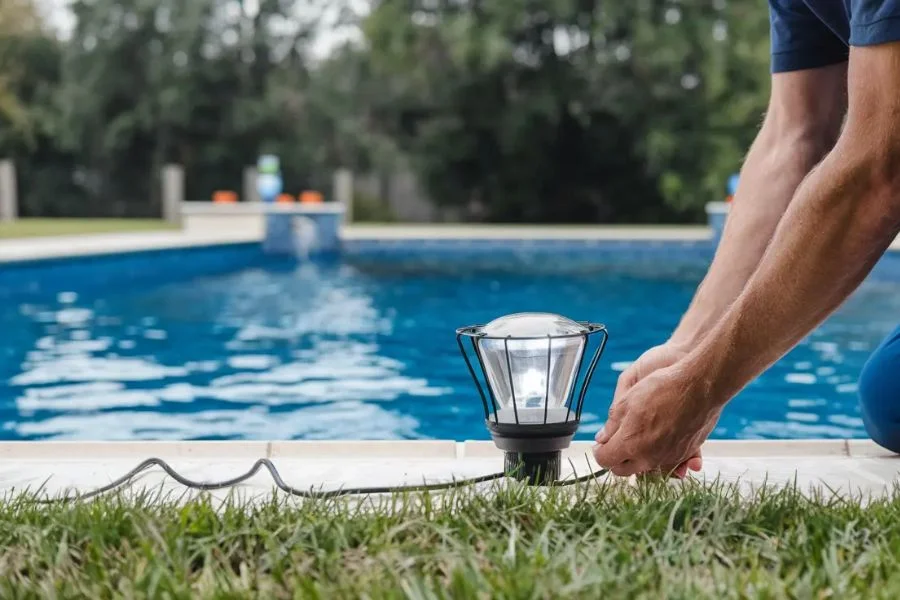
As the sun dips below the horizon, a well-lit swimming pool transforms from a simple backyard feature into a glowing oasis. The interplay of light and water creates a captivating ambiance, extending the usability of the space long into the evening. However, when those lights flicker or fade into darkness, the sanctuary quickly loses its charm. Beyond aesthetics, functional lighting is a critical safety requirement for any nighttime swim.
For many homeowners, the prospect of pool lighting repair feels daunting, as it involves the intersection of two elements that rarely mix well: electricity and water. Yet, understanding the mechanics of these systems is the first step toward demystifying maintenance. Whether you are dealing with a simple bulb replacement or a complex transformer issue, a methodical approach to troubleshooting can save time, money, and stress, ensuring your underwater retreat remains both beautiful and safe.
Anatomy of an Underwater Glow: Understanding the System
A pool lighting system is a marvel of specialized engineering designed to operate in a high-moisture environment. To maintain it effectively, one must recognize its primary components. The system typically begins at the house’s electrical panel, travels through a transformer, and ends at the light fixture submerged in the pool wall.
The fixture itself acts as a watertight housing for the bulb. In older installations, you will often find traditional incandescent or halogen bulbs, which produce a warm, familiar glow but generate significant heat. Modern systems have largely transitioned to Light Emitting Diodes (LEDs), which are prized for their extreme energy efficiency and longevity.
The unsung hero of this setup is the transformer. Because water and high-voltage electricity are a deadly combination, the transformer’s job is to step down the standard 120-volt household current to a much safer 12 volts. This low-voltage standard is the backbone of modern pool safety. Connecting these pieces is specialized, heavy-duty wiring designed to resist the corrosive effects of pool chemicals and constant moisture. Finally, a control system-ranging from a simple manual switch to a sophisticated smartphone app-allows the user to dictate the mood of the water.
Diagnosing the Darkness: Common Lighting Failures
When the lights go out, the problem is rarely a mystery if you know where to look. The most frequent culprit is simply bulb failure. Much like the lights in your kitchen, pool bulbs have a finite lifespan. If a light begins to flicker or takes on a dim, yellowish hue, it is likely nearing the end of its journey.
However, the environment of a pool introduces unique challenges like corrosion. Over time, the socket where the bulb sits can develop a layer of oxidation due to microscopic amounts of moisture. This corrosion creates resistance, leading to poor connectivity and dimming.
If the entire system is dark, the issue likely resides further “upstream.” A tripped circuit breaker is the first place to check, as it indicates the system has shut itself down to prevent an electrical surge. If the breaker is fine but the lights remain off, the transformer may have failed. Transformers can overheat or succumb to environmental factors like flooding or debris accumulation, effectively cutting off the power supply to the underwater fixtures.
The Power of 12 Volts: Why Voltage Matters
In the world of pool lighting repair, voltage is the primary language of performance. Most modern pools operate on a 12-volt system for a simple reason: safety. A 12-volt shock in water is vastly less dangerous than a 120-volt shock.
Beyond safety, voltage directly dictates the quality of the light. If the transformer is struggling or if the wiring is too thin for the length of the run-a phenomenon known as “voltage drop”-the bulbs will receive inadequate power. This results in a weak, lackluster glow that compromises the visibility of the pool floor. Conversely, an incorrect transformer setting that delivers too much voltage can “cook” the bulbs, causing them to burn out prematurely. Regularly testing the output with a multimeter is a standard practice for pros and savvy DIYers alike to ensure the system is tuned for peak performance.
Troubleshooting Like a Professional: A Systematic Approach
Effective repair is less about luck and more about a process of elimination. The first goal is to determine if you are facing a simple hardware failure or a deeper electrical fault.
1. The Visual Inspection
Start by observing the lights. If only one light in a multi-light pool is out, the problem is almost certainly the bulb or the individual fixture’s seal. If every light in the pool and the surrounding landscape is dark, you are likely looking at a tripped GFCI (Ground Fault Circuit Interrupter) or a failed transformer.
2. Checking the Breaker
Before dismantling a fixture, always check the main electrical panel. A tripped breaker is a signal. It may have been a one-time surge, but if it trips again immediately after being reset, there is a short circuit somewhere in the wiring that requires professional attention.
3. Assessing the Seal
For underwater fixtures, the “wet niche” must remain watertight. If you see water behind the glass lens of the light, the gasket has failed. This is a critical repair; moisture inside the fixture will not only blow the bulb but can also lead to corrosion of the internal housing.
The Repair Kit: Essential Tools for the Job
To tackle a pool lighting repair safely and effectively, you need more than just a screwdriver. A well-stocked kit should include:
- Multimeter: The most important tool for testing voltage and continuity.
- Replacement Gaskets: Never reuse an old rubber gasket; once the seal is broken, a new one is required to ensure a watertight fit.
- Waterproof Flashlight: Essential for inspecting the dark recesses of a light niche.
- Socket Tester: To ensure the bulb socket is receiving power and is free of corrosion.
- Rubber Gloves and Safety Goggles: Standard protection when working with any electrical system near water.
The LED Revolution: Upgrading for the Future
If you are currently performing a repair on an older incandescent system, it may be the perfect time to consider an upgrade. Integrating LED technology into your pool is one of the most impactful improvements a homeowner can make.
LEDs are transformative for several reasons. First, they are incredibly long-lived, often rated for 50,000 hours of use. This means you might go a decade or more without needing another pool lighting repair. Second, they are “cool” operators. Unlike halogen bulbs that get hot enough to potentially damage the fixture if the water level drops, LEDs generate very little heat.
The real draw, however, is the design flexibility. Modern LED systems allow you to change the color of your pool with a remote control or a smartphone. You can set the water to a deep sapphire blue for a relaxed evening or a vibrant magenta for a summer party. Some systems even offer synchronized light shows, turning your backyard into a choreographed display of color and light.
Design and Ambiance: Setting the Scene
Lighting design is an art form. While the primary goal of underwater lights is to illuminate the floor for safety, the “style” of light dictates the mood.
Recessed wall lights provide a clean, modern aesthetic that emphasizes the architectural lines of the pool. For a more dramatic effect, many designers utilize “uplighting” at the base of waterfalls or rock features to create shimmering reflections on the water’s surface.
Don’t forget the surrounding area. A cohesive design includes path lights and deck lighting that lead guests safely to the water’s edge. By layering different types of light-soft ambient glows for the patio and brighter, cooler lights for the water-you create a safe, multidimensional environment that looks professional and inviting.
The Green Pool: Efficiency and Sustainability
As we become more conscious of our environmental footprint, the pool industry has responded with eco-friendly innovations. Beyond the energy savings of LEDs, solar-powered accent lights are becoming a popular choice for pool decks and fencing. While solar lights may not provide the intensity needed for underwater illumination, they are perfect for marking boundaries and paths without adding a cent to your electricity bill.
Timers and motion sensors are also valuable tools. There is no reason for a pool to be fully illuminated at 3:00 AM. By installing smart timers, you ensure the lights are only active when you are likely to enjoy them, significantly reducing energy waste and extending the life of your bulbs.
Safety First: The Golden Rules of Maintenance
When it comes to water and electricity, there is zero room for error. Routine maintenance is the best way to prevent dangerous hazards.
The most important safety feature in your pool lighting system is the GFCI. This device monitors the flow of electricity and shuts off the power in milliseconds if it detects a leak to the ground. Testing your GFCI monthly is a simple task that could quite literally save a life.
Additionally, you should conduct a visual inspection of your light fixtures every few months. Look for cracks in the lenses or any signs of “browning” on the light’s face, which could indicate overheating. If you notice a loose fixture or a wire that has become exposed, prohibit swimming immediately until a pool lighting repair is completed.
When to Call a Professional
While many homeowners can successfully replace a bulb or a gasket, certain repairs belong in the hands of a licensed professional. If your troubleshooting leads you to a complex wiring fault deep within the pool structure or a major transformer failure, it is time to call in the experts.
A licensed electrician who specializes in pool systems understands the specific local codes and safety regulations that govern wet-environment electricity. They have the specialized equipment to “pull” new wires through underground conduits and can ensure that every connection is perfectly waterproofed and grounded. Entrusting these complex tasks to a professional not only ensures the job is done right but also provides peace of mind that your family is protected from the risk of electric shock.
Restoring the Radiance
Maintaining a pool is a labor of love, and the lighting system is one of its most rewarding components. By staying proactive with your pool lighting repair and maintenance, you ensure that your backyard remains a safe, stunning centerpiece of your home.
Whether you are simply cleaning a lens to restore its clarity or completely overhauling your system with the latest smart LED technology, the effort pays off every time you step outside on a warm summer night. A well-lit pool is more than just a place to swim; it is a shimmering testament to your care and a beacon that invites you to relax, recharge, and enjoy the beauty of the water under the stars.
