
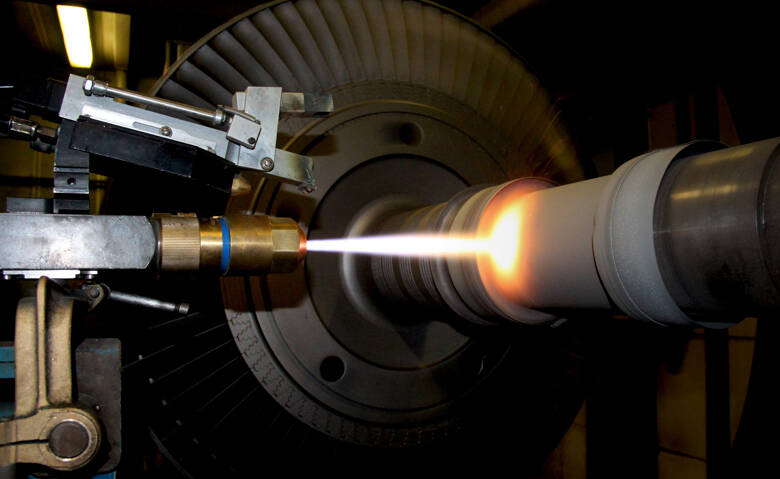
The High Velocity Oxy Fuel coating process is a thermal spray technique that enhances the surface properties of industrial components. This method utilises a combustion process to propel powdered materials at high velocities, leading to a dense and durable coating. The HVOF coating process involves three key stages:
- Powder feed: The coating material is fed into a heated gas stream.
- Combustion: Oxygen and fuel are mixed and ignited, producing high-temperature gas.
- Deposition: The accelerated particles impact the substrate, forming a strong bond.
This method is distinguished from other thermal spray techniques by its ability to achieve high coating densities and low porosity, making it suitable for various industrial applications.
Advantages of HVOF coating
HVOF coating offers numerous advantages that contribute to improved performance and longevity of industrial components. These advantages include:
– Wear resistance: The dense coatings produced through the HVOF process significantly enhance wear resistance. This is crucial for components that experience friction and contact with abrasive materials.
– Corrosion resistance: The coatings provide excellent protection against corrosive environments, extending the lifespan of components exposed to harsh conditions.
– Thermal stability: HVOF coatings exhibit high thermal stability, making them suitable for applications involving extreme temperatures.
– Material compatibility: The HVOF coating process can be applied to a variety of materials, including metals, ceramics, and composite substrates, providing flexibility for different industrial needs.
Industries benefiting from HVOF coating
The versatility of HVOF coating makes it applicable across various sectors. Some of the key industries that benefit from this advanced surface coating technology include:
– Aerospace: HVOF coatings are used to protect engine components and turbine blades from wear and corrosion.
– Oil and gas: In this sector, HVOF coatings enhance the durability of drilling equipment and pipelines, ensuring reliable performance in challenging environments.
– Manufacturing: Components such as molds and dies benefit from HVOF coatings, as they improve service life and reduce maintenance costs.
– Marine: The coatings provide essential protection for equipment operating in corrosive seawater environments.
The importance of selecting qualified HVOF coating services
Choosing the right provider for HVOF coating services is critical to achieving optimal results. Factors to consider include:
– Experience and expertise: Look for companies with a proven track record in HVOF coating applications and a deep understanding of material compatibility.
– Quality standards: Ensure that the service provider adheres to recognised thermal spray standards, such as ISO and ASTM, which govern coating quality and performance.
– Technology and equipment: Advanced equipment and technology can enhance the coating process, leading to better results and efficiency.
– Customisation: A qualified provider should offer tailored solutions to meet specific industry needs, ensuring that the coatings are optimised for the intended application.
Long-term benefits of HVOF coating in industrial applications
Investing in HVOF coating can yield significant long-term benefits for industrial operations. These benefits include:
– Cost savings: By enhancing the durability of components, HVOF coatings reduce the frequency of replacements and repairs, leading to lower overall maintenance costs.
– Improved reliability: Components treated with HVOF coatings are less likely to fail under stress, ensuring continuous operation and reducing downtime.
– Sustainability: Longer-lasting components contribute to sustainable practices by minimising waste and resource consumption.
– Performance enhancement: The application of HVOF coatings can improve the performance of machinery and equipment, leading to increased productivity and efficiency.
By understanding the HVOF coating process and its advantages, industrial professionals can make informed decisions regarding surface treatment options. The benefits of wear and corrosion resistance, material compatibility, and applicability across various industries highlight the importance of advanced coating technologies in enhancing surface durability.
