
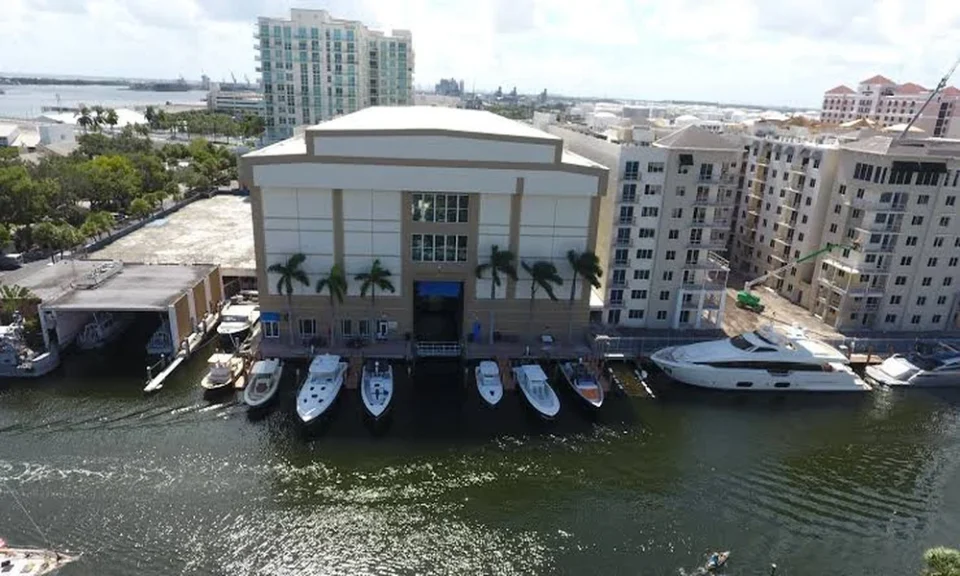
Key Takeaways
Automated dry stacks boost marina management efficiency. By cutting down wait times for boat retrieval and lowering labor costs, they address the needs of today’s clients.
Automation meets the increasing number of vessels, providing storage solutions that are rapid, safe, and effective-essential for managing growing operational demands.
Thanks to user-friendly interfaces, managing boat storage becomes a breeze. Clients enjoy quick access and an improved experience.
Incorporating precision handling technology in automated systems minimizes the risk of vessel damage during operations. This enhances safety and reliability for boat owners.
Vertical stacking maximizes space utilization. This approach allows marinas to accommodate more boats in compact areas-a crucial factor for urban settings.
Utilizing automated inventory management systems enables effective boat tracking. This improves operational transparency and contributes to overall profitability.
While initial investments in automated systems may seem high, many businesses find returns within two to three years, driven by reduced labor costs and enhanced service efficiency.
The Future of Marina Management: Embracing Automated Dry Stacks
Why Automated Systems are Essential for Modern Marinas
In today’s fast-paced environment, the efficiency of marina management is critical. Traditional storage and retrieval methods struggle to keep up with the demands of modern marina operators and their clients. With automated systems, technology is integrated into daily operations, which means decreased waiting times and less labor, while also enhancing safety. Speed matters, and automated dry stacks for marinas deliver just that.
Grasping the importance of automation is vital. The marine industry is shifting towards faster, safer, and more efficient practices to meet rising demands. Experts continually endorse these systems, highlighting their ability to optimize processes and enable marinas to handle an ever-increasing number of vessels annually. Boating interest is on the rise, and with it, the need for scalable solutions. Automated stacks provide a proactive response to this ongoing challenge.
Key Features That Make Automated Dry Stacks Stand Out
What distinguishes these systems? It’s all about unique features that enhance functionality and user experience. First, user-friendly interfaces facilitate smooth boat retrieval processes. Operators can efficiently manage vessel storage via touch-screen controls. Clients appreciate the direct interaction with the system, providing rapid access to their vessels without the long waits.
Precision handling technology is another standout feature. Automated systems use sensors and robotics, significantly reducing the risk of damage during operations. For boat owners, assurance that their vessels will be handled carefully is indispensable. Moreover, efficiency in space utilization can’t be ignored; these systems accommodate many more vessels in confined areas compared to traditional storage options, making every square foot count.
- User-friendly interfaces for streamlined operations
- Precision handling technology that mitigates risks
- Space efficiency achieved through innovative designs
Furthermore, automated inventory management is crucial. This feature allows for complete tracking of all boats, removing confusion about storage locations. With this, operational transparency gets a boost, which in turn maximizes profitability. The entire operation hinges on resource efficiency and fast turnaround.
Enhancing Space Utilization: The Secret to Marina Efficiency
Transforming Limited Areas into High-Volume Storage
Space often proves to be a challenge in marina operations. Decision-makers frequently grapple with whether to expand their facilities or optimize the existing space. Enter automated dry stacks, which tackle this challenge by converting limited areas into high-volume storage solutions. By utilizing vertical stacking according to precise algorithms, marinas can adapt to spatial limitations while maintaining quality service.
The numbers tell an important story. Conventional dry storage facilities usually feature horizontal layouts, resulting in wasted space. Automated systems, however, enable upward stacking, thereby maximizing vertical real estate. This leads to more boats stored within less space, a crucial advantage for urban marina managers who aim to maximize revenue while minimizing their footprint.
How Smart Design Maximizes Vessel Capacity
Smart design principles equally help in boosting vessel capacity via automated dry stacks. Marinas stand to gain from modular and flexible designs that can adjust to various sizes and types of vessels. This flexibility translates to improved operational efficiency compared to static systems. As boats and client preferences evolve, the infrastructure can grow alongside them.
Moreover, integrated maintenance protocols add another layer of sophistication. These systems might include features such as enhanced drainage and climate control, preventing damage to boats while in storage. Clients find peace of mind knowing their valuable assets are not merely stored but also well-cared for during off-seasons. This often results in happier boat owners who return year after year.
- Vertical stacking systems enable space efficiency
- Modular designs adapt to changing needs
- Integrated maintenance protocols protect investments
Regular inspections carried out by automated systems ensure storage conditions remain optimal, thus greatly reducing wear and tear from prolonged storage. Keeping inspection efforts centralized streamlines checks, offering remarkable peace of mind.
Improving User Experience: Convenience at the Dock
Simplifying Boat Retrieval for Owners and Operators
No one likes waiting. Hence, automated dry stacks highlight faster boat retrieval as one of their primary advantages. Clients crave convenience, and these systems meet that expectation. Users simply check in through the system’s app or interface, with their boat prepared even before they arrive at the dock.
From an operational standpoint, employees experience reduced stress since they no longer need to manually move heavy vessels. Automating this task allows teams to concentrate on enhancing overall marina operations, elevating service levels. It’s a clear win-win for all involved.
Innovative Technology that Boosts Customer Satisfaction
It’s not just about how quickly boats are retrieved; it’s about the entire user experience. Many automated systems now incorporate features such as real-time tracking that keep owners informed about their boats. Increasingly, clients expect transparency, making GPS and mobile applications key components of the experience.
Statistics reveal that customer satisfaction tends to rise dramatically with the implementation of tech-enabled solutions.
Additionally, predictive maintenance alerts are noteworthy. Many systems can notify owners of potential issues before they escalate. This shift from reactive to proactive maintenance significantly enhances overall satisfaction. When owners feel confident that their boats are being monitored closely, they’re likely to become more loyal to the marina, which boosts profitability.
- Real-time tracking enhances transparency
- Predictive maintenance increases reliability
- Faster boat retrieval and enhanced efficiency heighten satisfaction
These features aren’t just about convenience; they significantly contribute to positive word-of-mouth. Satisfied clients share their experiences, leading marinas benefiting from automated systems to enjoy tangible business boosts through enthusiastic referrals.
Understanding the Cost-Benefit Analysis of Automation
Calculating ROI: When Will the Investment Pay Off?
ROI-the golden question for any business weighing automation. Experts suggest that while initial investments in automated dry stacks for marinas can appear considerable, the benefits frequently surpass the initial costs. A thorough cost-benefit analysis examines not just startup expenses but also potential revenue growth from improved operations.
Many ventures find themselves seeing ROI within two to three years, contingent upon their specific configurations and service levels. By decreasing staffing needs, lowering retrieval times, and expanding capacity, marinas can reclaim investments while simultaneously increasing revenue streams. This compelling argument could sway those hesitating about committing to upgrades.
Operational Savings: Labor Reduction and Maintenance Efficiency
Another vital factor to keep in mind is operational savings. By implementing automated dry stack systems, marinas can considerably reduce labor costs. With fewer staff required for daily tasks, remaining employees can concentrate on high-value responsibilities that enhance customer experiences.
Maintenance efficiency is equally commendable. Automated systems often feature self-reporting diagnostics, enabling marinas to tackle issues in real-time without halting daily operations. Essentially, they lower ownership costs while boosting reliability. Organizations that manage these two aspects effectively can save significant amounts annually.
- Lower labor costs increase profitability
- Real-time diagnostics secure maintenance efficiency
- Long-term savings yield lasting financial impacts
Ultimately, substantial reductions in operational costs, combined with enhanced service capabilities, ensure that marinas leveraging automated systems stand to gain immensely, both in the short term and long run. As the marina landscape transforms, those who adjust will remain at the cutting edge of industry innovation.
FAQ
What are some common features of the latest automated dry stack systems?
Modern automated dry stack systems typically encompass advanced features like real-time tracking, user-friendly app interfaces, and predictive maintenance notifications. Such elements not only elevate user experience but also bolster operational efficiency, making them indispensable for current marina management.
How do automated dry stacks affect environmental sustainability in marinas?
Automated dry stacks promote sustainability by maximizing space usage and minimizing the need for facility expansion, which often disrupts local ecosystems. Additionally, efficient water management and reduced energy consumption during operations contribute to lowering the overall environmental footprint of the marina.
Are there different types of automated systems for different boat sizes?
Absolutely. Automated systems can be designed with modular components to accommodate a wide array of boat sizes. This adaptability ensures marinas can serve various vessels, from small boats to larger yachts, while maintaining efficiency and safety.
How does automated dry stack storage compare to traditional methods?
When comparing traditional storage methods, automated dry stacks offer notable advantages in speed, safety, and space efficiency. They eliminate manual labor for boat retrieval, decrease waiting times, and increase storage capacity within the same physical footprint.
What measures are in place for boat safety in automated dry stacks?
Boat safety is paramount in automated dry stacks. Features like precision handling technology and integrated maintenance protocols ensure safe storage and retrieval without risk of damage. Regular inspections and climate control further safeguard stored boats from environmental factors.
Can automated systems be integrated with existing marina infrastructure?
Certainly! Many automated systems are designed for smooth integration with existing marina setups. This flexibility allows marinas to upgrade operations without extensive renovations, making transitions smoother and more cost-effective.
What role does customer feedback play in the development of automated systems?
Customer feedback is crucial in guiding the creation of new features and enhancements for automated systems. Input from boat owners and marina operators enables developers to produce solutions that genuinely meet user needs, ultimately increasing satisfaction and effectiveness.
How can marinas market their automated services to attract more clients?
Marinas can emphasize the benefits of automated services through targeted marketing campaigns highlighting convenience, speed, and enhanced safety features. Utilizing testimonials and case studies also fosters trust while showcasing the value proposition of automation.
Useful Resources
- Marinas.com – A comprehensive resource for marina managers and boaters, featuring information about facilities and services.
- BoatTest.com – Offers reviews and testing data on different boats, providing insights into storage solutions for various vessel sizes and types.
- National Marine Manufacturers Association (NMMA) – Industry insights and statistics related to the marine field, including trends in marina management.
- Marina News – A publication focused on the marina industry, sharing news, trends, and technologies affecting operations.
- American Marinas – Information on marina developments, management resources, and best practices in the marine arena.
- MarineTraffic – A real-time, global ship tracking service useful for understanding vessel movements and management strategies.
- YachtWorld – A marketplace for buying and selling yachts and boats, providing insights into vessel types and storage considerations.
- Boating Magazine – A resource focused on boating lifestyle, technology, and how modern innovations affect marina experiences.
