
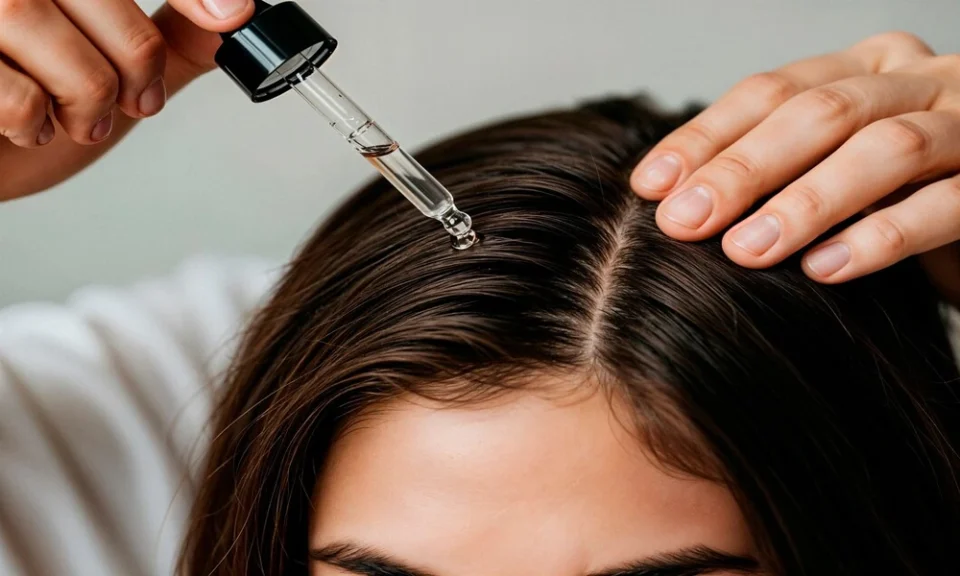
Hair growth involves a complex process where follicles goes through a biological cycle. The interaction between hormones, cells, and signaling molecules controls the growth of hair. Peptide signaling is a mechanism that has drawn the attention of researchers working on hair biology. Peptides take part in cellular communication and affect processes related to follicle development and tissue maintenance. For students and researchers, studying peptide signaling gives an opportunity to understand the molecular-level biology. They will be able to investigate how signaling pathways and molecular signals’ interactions with cells are involved in follicular biology.
Peptide signaling and its relevance to hair follicles
Peptides, or chains of amino acids, act as signaling molecules. Some interact with receptors or affect cellular pathways. Moreover, peptide signaling involves a series of events, such as intracellular signaling and cellular response. The overall process depends on the peptide and biological target. When the signaling molecule communicates with its target, it triggers intracellular pathways. It controls different processes, such as cell proliferation, gene expression, and migration. So, peptide signaling has become an interesting field for research. You may visit Kylo Peptides to order the best peptides for hair growth research. Most researchers study signaling pathways related to follicle development, vascular interactions, and stem-cell activity. Peptide-related signaling interacts with these biological processes, so it is an area of investigation for most researchers.
Hair follicle cells and peptide signaling
Several cells, such as keratinocytes and melanocytes, play a role in hair follicle biology. Researchers investigate how signaling between cells facilitates follicular activity. Dermal papilla cells are important in follicle research, as they interact with epithelial cells. Besides, hair follicles contain stem cells that help with cycling and regeneration. Understanding how signaling affects these cells is an area of research. Any transformations of stem-cell activity affect normal follicular behavior. Thus, explore the products of Kylo Peptides and order the compounds.
Challenges in researching hair growth peptides
Although there is a growing interest in peptides for hair growth, you may face different challenges. For instance, follicles involve various signaling pathways interacting with each other. That is why it is difficult to isolate the effect of a molecule. Besides, no particular lab model reproduces human hair biology. Still, you may continue your research on the best peptides for human growth. Future research will combine peptide studies with follicle organ culture, cell culture models, and proteomics. These approaches will help scientists identify the communication network related to follicular development. So, continue your research on how peptides help with hair follicle development.
