
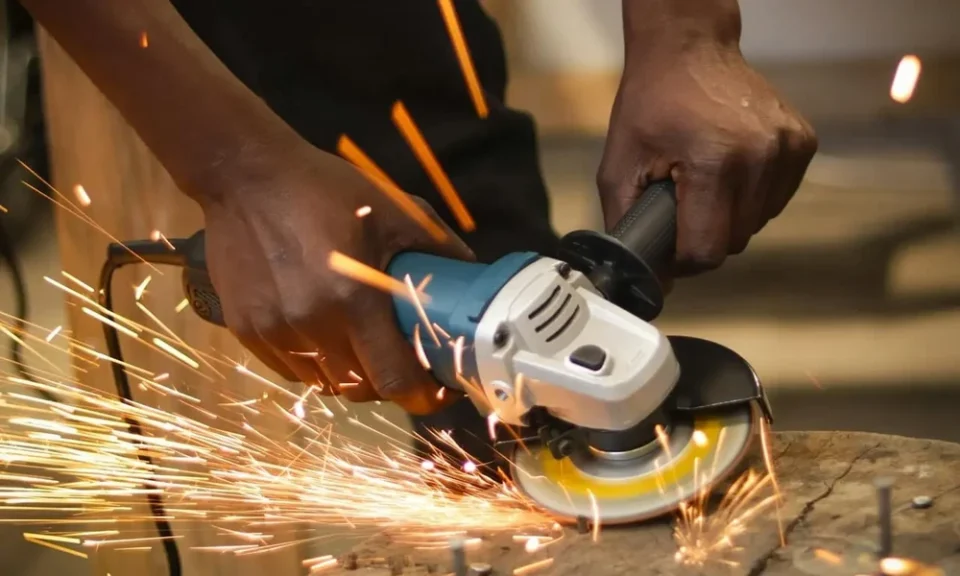
Rugged job sites and unpredictable weather push power tools to their limits. When dust, moisture, extreme temperatures, and demanding tasks collide, only the most prepared crews (and gear) keep up. Whether you rely on corded workhorses or cordless innovation, understanding how to adapt and maintain your tools is the difference between a smooth project and relentless frustration.
Navigating the Challenges of Harsh Work Environments
Construction sites rarely offer perfect conditions. Mud turns walkways slick, fine dust invades every crevice, and temperature swings test batteries and motors alike. Heavy rain can threaten tool safety, while frozen mornings sap cordless runtimes. These variables all impact how your tools perform, and how long they last.
How Weather and Terrain Affect Tool Performance
Moisture corrodes metal contacts and bearings, while dust can clog vents or cause motor overheating. On rocky or uneven terrain, dropped tools risk both internal and external damage. Meanwhile, cold weather slows down battery chemistry, causing significant drops in runtime and power output for cordless models.
Identifying the Right Tool Type for the Job: Corded vs. Cordless
Deciding between corded and cordless tools depends on several factors:
– Corded tools offer continuous power and are ideal when outlets are available and long runtimes are essential.
– Cordless tools shine in remote, elevated, or confined spaces where freedom of movement matters. Modern lithium-ion batteries have closed the power gap, but environmental factors still play a role.
Case Study 1: Maximizing Corded Tool Efficiency on a Construction Site
Professionals often turn to corded drills, sanders, or saws for tasks where power draw is constant and predictable. But harsh environments require extra precautions.
Preparing Corded Tools for Dusty and Wet Conditions
Use dust shrouds, sealed switches, and protective covers whenever possible. After exposure, wipe down any exposed metal to prevent corrosion. Never operate corded tools in standing water, and always inspect cords for nicks or frays before plugging in.
Power Supply Strategies to Avoid Downtime
Extension cords must be heavy-duty, rated for outdoor use, and checked routinely for damage. Power splitters and circuit breakers add safety and versatility but must be kept above damp ground. Consider portable generators when grid power is unreliable, but always run them in well-ventilated areas.
Real-World Tips for Maintaining Corded Tools in Rugged Use
Regularly blow out vents and crevices with compressed air. Store tools in protective cases off the ground. Schedule periodic maintenance, including brush replacement and lubrication of moving parts, to reduce the cumulative impact of grit and moisture.
Case Study 2: Leveraging Cordless Tools for Remote or Hard-to-Reach Jobs
Cordless tools have revolutionized work in areas where dragging cords would be impractical or unsafe. From roof repairs to remote fence installations, flexibility rules.
Battery Management in Cold and Hot Climates
Batteries perform best at moderate temperatures. In winter, store packs indoors when not in use, and bring spares to the site. In summer, avoid leaving batteries in direct sunlight or inside hot vehicles. Most modern chargers include temperature sensors to prevent charging when cells are too cold or hot.
Using DeWalt 20V Max Tools to Maintain Power and Precision
DeWalt’s 20V Max line is lauded for its mix of power, durability, and smart electronics that optimize battery output even in tough conditions. Many professionals trust GSM Depot DeWalt power tools as a reliable resource for outfitting their crews with tools that hold up to daily punishment.
Optimizing Runtime and Charging Cycles on the Jobsite
Rotate batteries systematically: use one, charge one, rest one. Invest in dual or rapid chargers when possible. Cordless combo kits help by sharing compatible packs across multiple tools, reducing the need for redundant spares.
Maintenance Protocols to Extend Tool Life in Tough Conditions
No matter the tool, proactive care saves money and frustration.
Cleaning, Lubrication, and Inspection Routines
After each use, brush away debris and inspect for visible wear. Lubricate moving parts per manufacturer specs and check for loose screws or cracked housings.
Protective Accessories and Storage Solutions
Cases, stackable toolboxes, and weatherproof bags keep gear ready for action and reduce long-term exposure to the elements.
When to Repair vs. Replace Components
Frequent failures or persistent underperformance may signal it is time for professional service or replacement. Compare repair costs to the price of new tools, factoring in downtime and warranty coverage.
Safety Considerations When Operating Tools in Extreme Environments
Extreme conditions increase risk for both workers and equipment.
Personal Protective Equipment and Best Practices
Proper gloves, safety glasses, and dust masks are non-negotiable. In noisy environments, hearing protection is essential.
Preventing Electrical Hazards with Corded Tools
Always check outlets, cords, and plugs for moisture or damage. Use GFCI outlets and never splice cords with tape.
Safe Handling and Transport of Cordless Batteries
Do not puncture or crush packs. Store them in temperature-controlled environments, away from metal objects that could short terminals.
Integrating Technology and Smart Features to Boost Productivity
Innovation is rapidly advancing tool capabilities.
How Brushless Motors and Variable Speed Controls Help in Challenging Conditions
Brushless motors deliver more power with less maintenance, while variable speed settings allow precise control for different materials and tasks.
Utilizing Tool Combo Sets for Versatility and Efficiency
Combo sets equipped with shared battery systems simplify logistics and reduce costs, especially for teams juggling multiple job types.
Monitoring Tool Health with Digital Interfaces
Some newer models include diagnostics that alert users to maintenance needs or battery health, reducing the risk of sudden failure.
Cost-Benefit Analysis: Investing in Durable Tools vs. Frequent Replacements
Durability pays off in the long run, even if upfront costs are higher.
Evaluating Tool Brands and Warranty Services (e.g., DeWalt)
Look for brands offering robust build quality and generous warranties. DeWalt, for example, is known for standing behind its products with strong service and parts support.
Impact of Tool Reliability on Project Timelines and Budgets
Reliable tools reduce downtime, prevent costly delays, and help teams stay under budget by minimizing surprise repairs or last-minute replacements.
Future Trends: Innovations Shaping Tool Performance in Adverse Conditions
The next generation of power tools is already taking shape.
Advances in Battery Technology and Power Management
Solid-state batteries and smarter power management promise longer runtimes and faster charging, even in harsh climates.
Emerging Materials and Build Quality Enhancements
Look for lighter yet tougher housings, improved seals, and corrosion-resistant components.
Predictions for Next-Gen Corded and Cordless Tool Features
Expect more digital integration, adaptive performance settings, and wireless diagnostics, turning every job site into a smarter, safer, and more efficient workspace.
In the end, the best results in harsh conditions come from a mix of smart preparation, trusted brands, and a commitment to proactive maintenance. The landscape will keep evolving, but investing in the right tools (and treating them well) ensures you are ready for whatever challenges the job throws your way.
