

Household belongings for an estate sale
Before an appraiser can value everything in your home, it’s important to pull out heirlooms, personal effects and other items you do not want for sale. Important items to pull include:
- firearms
- medications
- jewelry
- personal records and files
- photographs
Start by deciding what stays
Personal effects and mementos can easily get overlooked or intermingled with other items, so be diligent as you’re pulling out personal items. Don’t assume a filing cabinet or box is junk because important documents are often found in the last place you look!
If you’re working with siblings or other family members, it’s important to establish up front what items are for sale and what items will be distributed among family. If you can’t come to a consensus, it’s best to hold off on including the item in the sale because once it’s priced and on the floor, it’s too late.
Here’s a suggestion: Make a list of what’s happening with your items, and divide them into three categories:
- For Sale
- For Donation, Recycling, Disposal (or other action)
- Family keeps these
Know what the company will handle
Think of the estate sale companies in Minneapolis as a project and a financial transaction, which means you need to plan accordingly. Before you choose an estate sale company, be sure to ask about their process, including:
- pricing services (who prices the items, how antiques/specialty/collectible items are appraised)
- event logistics (who provides tables, display cases, signage, payment processing equipment)
- cleanout options (are donation pickups, trash and junk removal and other real estate or relocation services offered?)
- costs (how are commissions/fees calculated and when can you expect your final check?)
- unsold items (who decides what happens to items that do not sell?)
Get all agreements in writing! Know what’s included in the service, what happens if there are disagreements, when the property will be turned over and any other pertinent information. Don’t count on anything being communicated verbally, especially if you’re working with a group.
Ask what their plan is for events that coincide with Minneapolis weather events such as winter storms or major events taking place in the city during the summer. What is the back-up plan in regards to parking, removing snow from entrances, lines to get in, how they will protect the floor when the weather is particularly wet or snowy?
Be realistic about value and logistics
Contrary to popular belief, old does not necessarily equate to valuable. Collectible or antique items, something Britannica walks through at www.britannica.com/topic/collecting, that are in-demand, in good condition and/or are complete sets will most likely be your highest earners. That being said, the goal of most professional estate sale organizers is not necessarily to get top dollar for everything. Rather, it is to get rid of what makes sense to get rid of in a timely manner. To do this, organizers strategically group and price items to encourage buyers to shop.
An estate sale makes the most sense when there is a substantial amount of stuff to sell, for instance a fully-furnished home. If there are just a few pieces of furniture and odds and ends, consider selling your items individually, donating them or hosting a mini-auction with your neighbors.
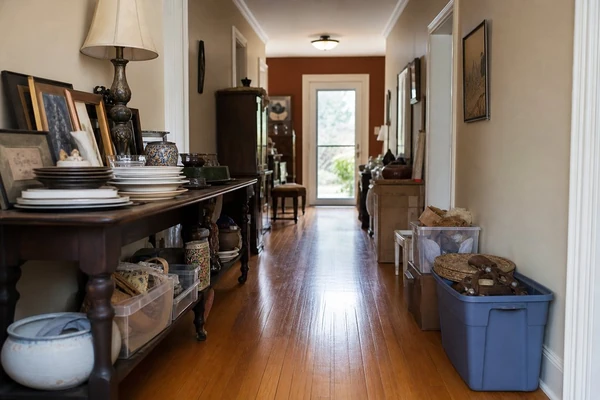
Household estate sale items
An estate sale is not about making your house showroom-ready, quite the contrary, really. In order to have a successful estate sale, there needs to be an interesting assortment of items for sale. That being said, it’s a good idea to do some basic cleaning and make sure there are no tripping hazards in walkways, hallways, stairways, etc.
If possible, keep utilities on during preparation and sale days so buyers can assess lighting, climate control and working appliances. It may be necessary to leave some furniture where it is if it impedes traffic flow or moving it could potentially damage the property. Be sure to abide by fire code regulations as well.
Items to throw away prior to the sale: garbage, rotten food, personal paperwork and hazardous chemicals (take these to your local hazardous waste collection site).
Even the most successful estate sales have items left over! These may include worn linens and furniture, outdated electronics, opened/partially used items and other odds and ends. At some point you’ll need to determine if unsold items will be consigned, donated, hauled away or recycled. Some items, such as electronics, paint, chemicals and batteries may have to be separately disposed of, so check your local ordinances. Designate who will be making the final cut decisions to avoid any snags that could affect your move/closing/renovation, etc.
Estate sales take time to plan and execute, especially if family members are involved in the sorting process. Resist the temptation to jump on the first open date offered by your estate sale company. Take the time to review the contract, sort through your belongings and determine what will happen to any unsold items. Lastly, do a final walk-through of the property before the sale to make sure non-sale items have been labeled/moved.
